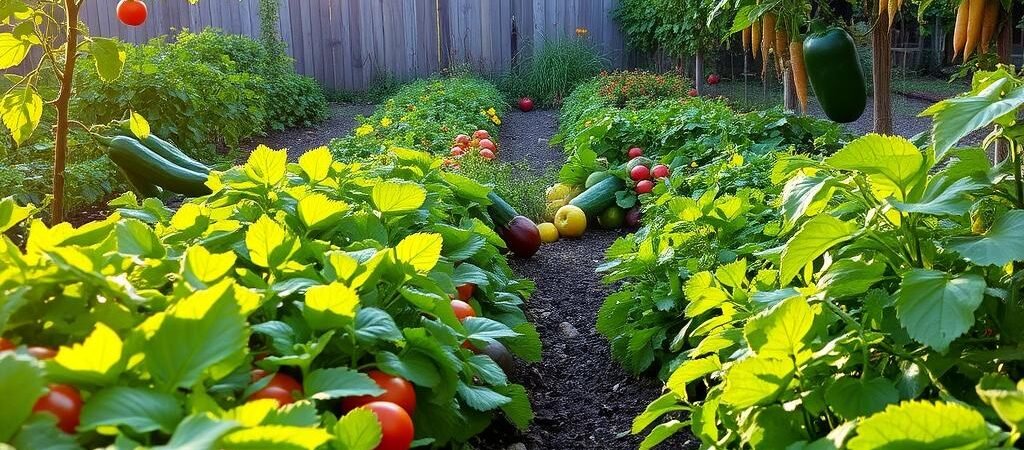
Imagine slashing your grocery bill while enjoying fresh, organic produce right from your backyard. Many Americans are turning to gardening as a smart way to save money and eat healthier. With rising food prices, growing your own vegetables and fruits can make a real difference.
Take Rebecca Searle, for example. She grows half of her family’s meals in a small space, spending almost nothing. Or Huw Richards, who harvests £20 kale plants and preserves extra berries for winter. Their success proves you don’t need a big yard to thrive.
Ready to transform your home into a budget-friendly oasis? A well-planned garden can trim hundreds off annual costs. Start small, pick easy crops, and watch your savings—and satisfaction—bloom.
Why Gardening: Growing Your Own Foods to Cut Costs Works
Food prices keep climbing, but your backyard can be the solution. The USDA predicts a 3.4% hike in 2025—adding strain to already tight budgets. Since 2020, grocery bills have surged 18%. Planting even a few herbs or greens can save money fast.
Beat Rising Costs with Minimal Effort
Stores charge $3 for a handful of basil. Yet, a $2 seed packet yields months of fresh leaves. Systems like Airgarden prove it: users slash herb costs by 30% yearly. Plus, aeroponic tech uses 95% less water than traditional plots.
Small Investments, Big Returns
Yes, seeds and soil require upfront investment. But compare $50 in supplies to $500 in organic tomatoes. Rebecca Searle’s $50 greenhouse now grows $800 worth of gourmet greens annually. Jane Perrone trades quince fruits for other produce, cutting her store trips in half.
Start today. A single planter of lettuce pays for itself in weeks. Your wallet—and plate—will thank you.
Choosing High-Value Plants for Maximum Savings
Not all plants give the same bang for your buck—some pack serious savings. Focus on crops that cost a fortune at stores but thrive with minimal effort at home. A little strategy goes a long way.
Target Expensive Store-Bought Produce
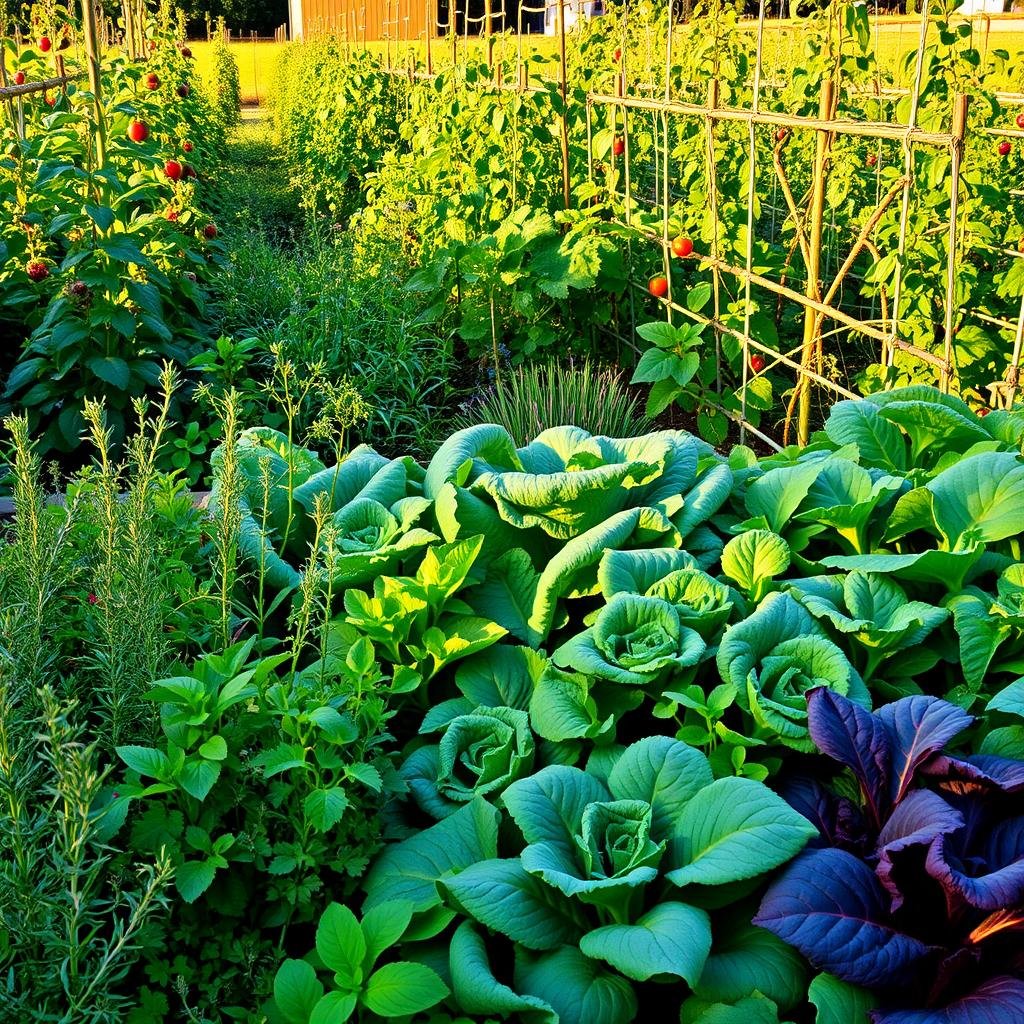
Why pay $3 for a handful of basil? A $2 seed packet grows months of fresh herbs. Leigh Hunt’s asparagus patch saves £3 weekly—just one example of how premium vegetables cut costs.
Raspberries cost $4 per pint in stores. One bush yields 10lbs yearly. Nine Star broccoli produces 10+ heads without replanting. Skip cheap carrots; focus on thyme or rosemary instead.
Perennials vs. Annuals: The Savings Showdown
Perennial plants like currant bushes bear fruits yearly with no replanting. Annuals like lettuce grow fast but need seasonal replanting. Balance both for steady harvests.
Unusual Crops with High Barter Power
Quince sells for $8/lb—swap extras for neighbors’ eggs or apples. Unique vegetables like Romanesco broccoli fetch top value. Grow what’s rare, not just routine.
Start small. A single raised bed of high-value crops can offset a month’s grocery bill. Your wallet—and taste buds—will thank you.
Smart Seed Strategies to Slash Expenses
Skip the nursery markups—grow from seeds and watch savings sprout. For the price of six kale seedlings, Huw Richards gets 400 seeds. That’s the power of starting small. With the right tips, you’ll turn cents into harvests worth dollars.
Seeds vs. Seedlings: The Cost Showdown
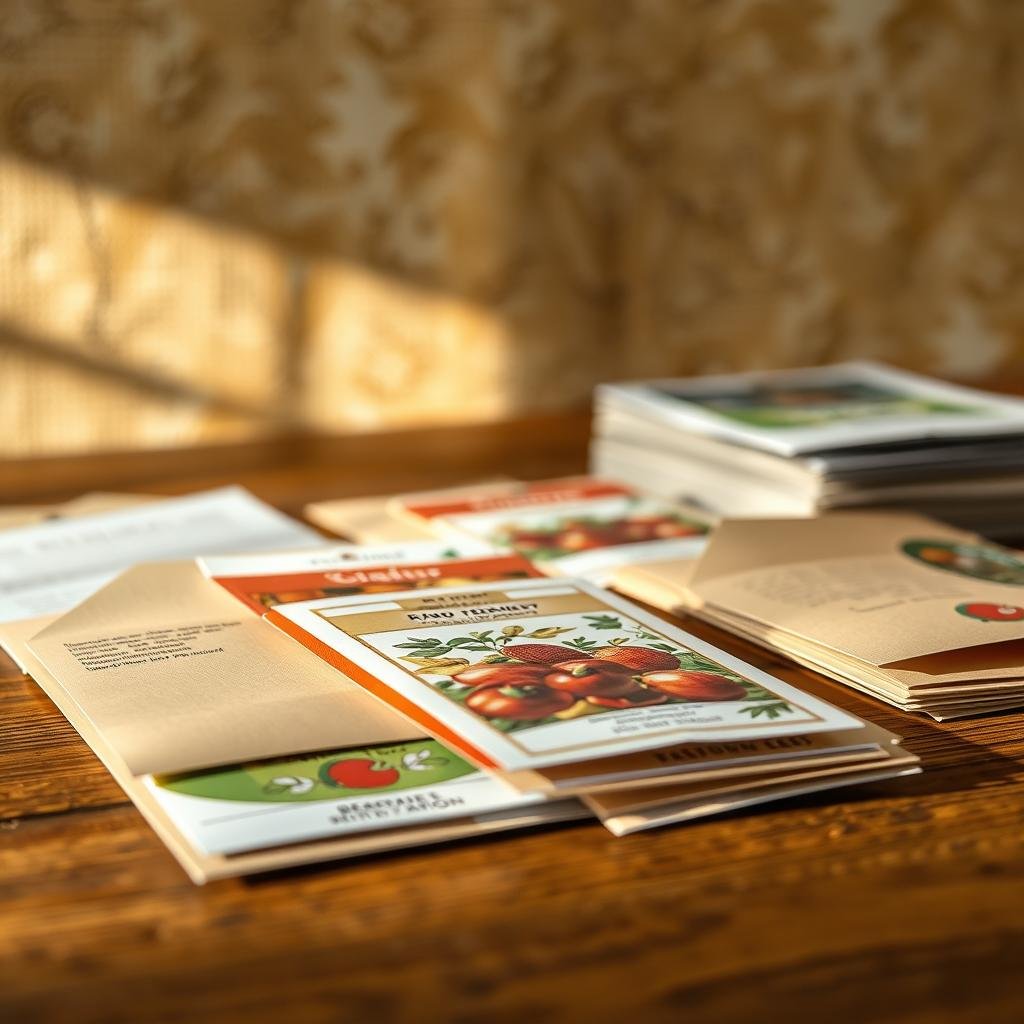
Why pay $5 for one seedling when a $2 packet grows dozens of plants? Rebecca Searle sources 95% of her seeds free through swaps. Even beginner-friendly crops like lettuce yield $15 salads from 1¢ seeds.
Fast-Growing Crops for Quick Wins
Fill gaps between slower crops with radishes (25 days) or spinach (30 days). These speedy growers keep your garden productive year-round. Pro tip: Avoid supermarket cucurbit seeds—they might carry toxic squash syndrome.
Free Seeds? Yes, Please!
Nextdoor groups and Facebook Marketplace overflow with free heirloom seeds. Trade extra zucchini seeds for compost or join library seed exchanges. Like Rebecca, you’ll soon stock your space without spending a dime.
Start today. A single seed packet can save hundreds—no costly nursery trips needed.
Low-Cost Soil and Composting Techniques
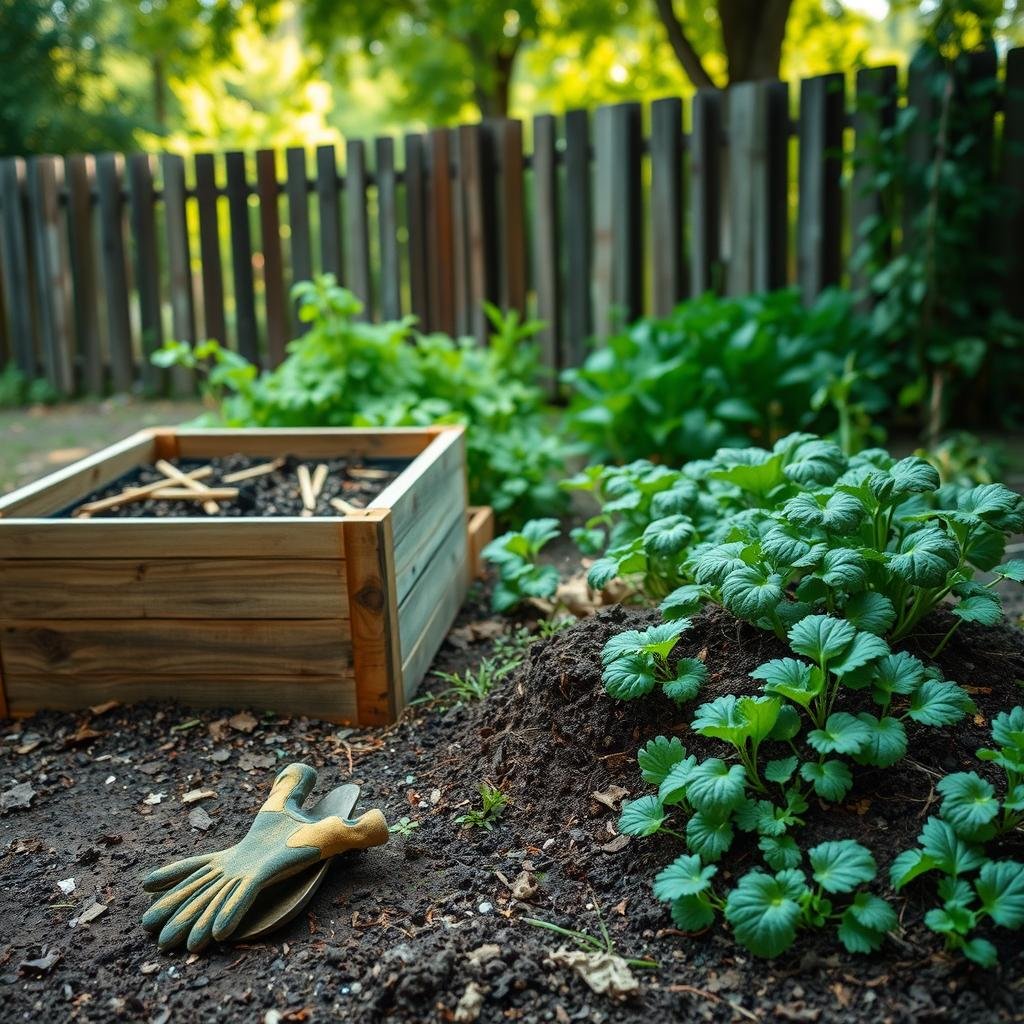
Healthy soil doesn’t have to cost a fortune—transform waste into wealth right at home. With a little creativity, you can turn kitchen scraps and yard debris into nutrient-dense garden beds. Huw Richards proves it: his thriving compost heap uses 100% free materials from neighbors.
DIY Compost: Black Gold from Trash
Your coffee grounds and eggshells are treasure. Layer them with cardboard or grass clippings to create compost in 12 weeks. Here’s how:
- Worm farms: Use recycled bins for odor-free, high-yield compost.
- Pizza boxes: Shred them for carbon-rich bedding.
- Neighbor swaps: Trade lawn clippings for extra kale—everyone wins.
Free Soil Boosters You Already Have
Skip store-bought amendments. Fallen leaves lock in water and block weeds. Grass clippings add nitrogen—just avoid herbicide-treated lawns. Even shredded newspaper improves texture.
Start small. A single compost pile or leaf mulch layer cuts maintenance and costs. Your garden—and budget—will thrive.
Space-Saving Gardening for Any Budget
Urban dwellers rejoice: tiny balconies can grow serious amounts of fresh vegetables. With smart layouts, even a 2’x4’ space becomes a powerhouse. Take Rebecca’s patio—it supplies 50% of her household’s food. Ready to transform your home?
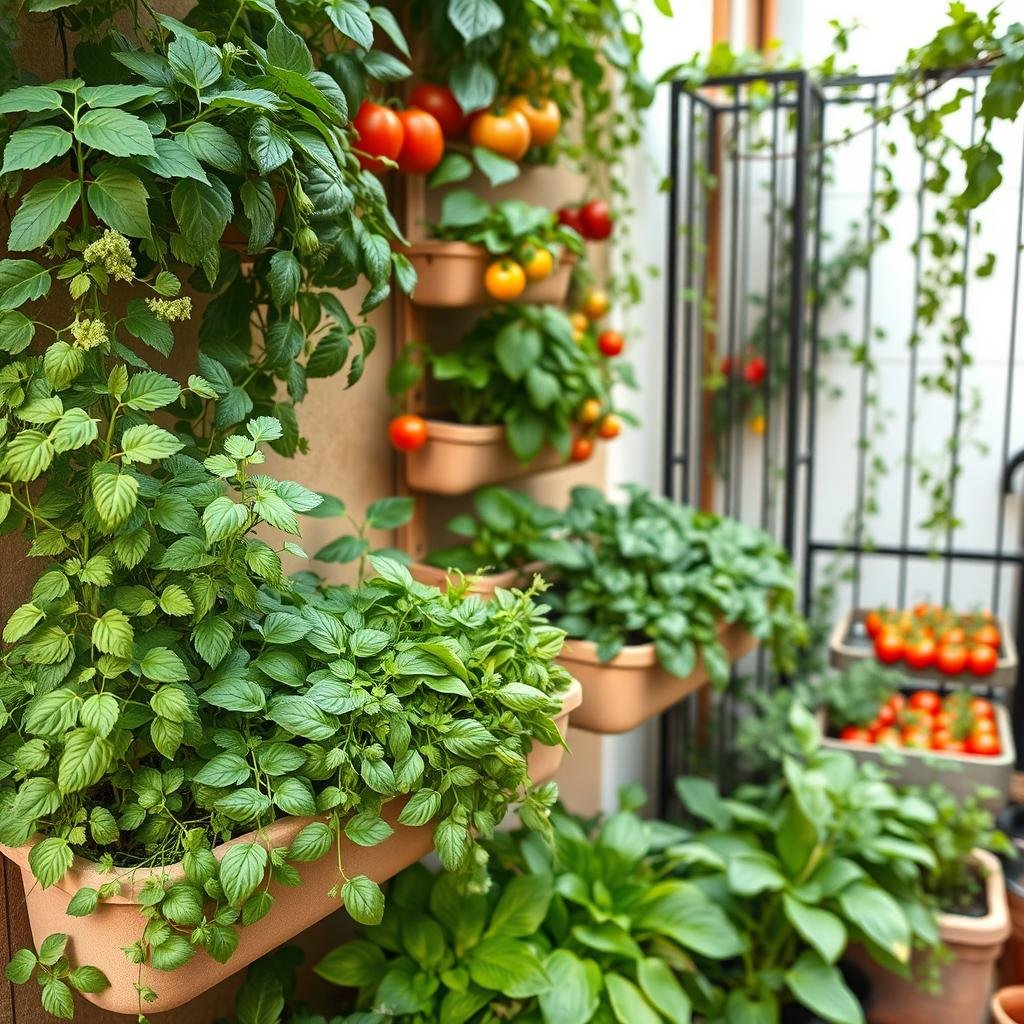
Containers: Small Footprint, Big Harvests
Five-gallon buckets yield $40 of cherry tomatoes. Hang $5 IKEA pots for strawberries—20 plants in 4 sq ft. Pro tips:
- Drainage matters: Drill holes to prevent soggy roots.
- Mix crops: Pair peppers with basil to deter pests naturally.
- Go vertical: Stack pots for double the yield.
Vertical Gardens: Grow Up, Not Out
Airgarden’s system fits 30 vegetables in 2 sq ft—3x faster growth with 80% less water. DIY versions work too:
- Convert pallets into herb walls with rainwater drip lines.
- Use shoe organizers for leafy greens like spinach.
- Try PVC pipes for potatoes—easy to harvest.
Raised Beds vs. In-Ground: Cost Breakdown
Raised beds cost $50–$200 but last 10+ years. Facebook Marketplace hacks:
- Scaffolding boards = free raised beds.
- Cinder blocks double as planters and benches.
In-ground plots save upfront costs but need more tools. Choose based on your seasonal needs.
Start today. A single vertical planter or bucket can kickstart your garden—no yard required.
Community Resources and Shared Gardening
Your neighborhood holds untapped resources for thriving gardens. From shared plots to skill swaps, collective effort makes fresh, affordable produce possible. Rebecca’s quince-for-figs trades and Rob Smith’s labor-for-kale deals prove it’s easier than you think.
Allotment Schemes: Grow More, Spend Less
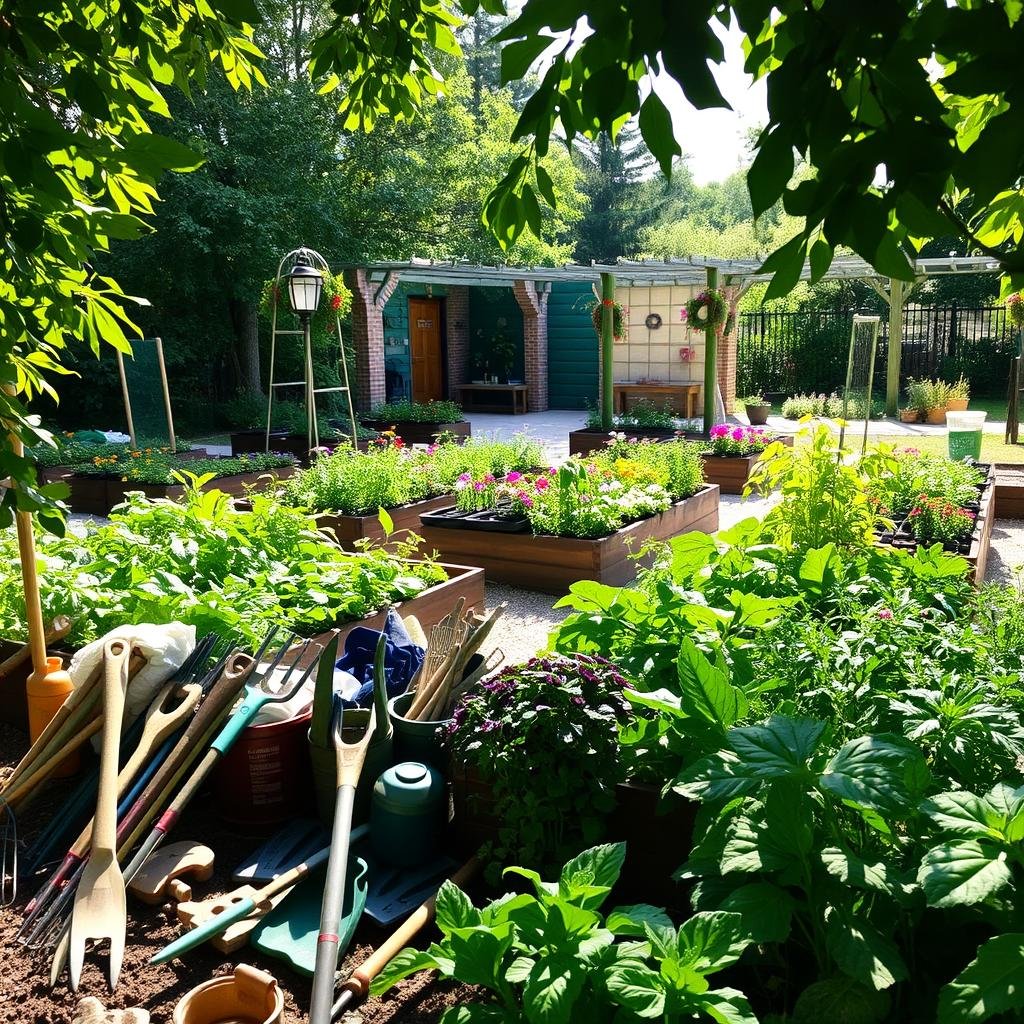
Shared plots let you cultivate without owning land. Many cities offer allotments for $20/year—split costs with friends for pennies. Volunteer 2 hours weekly weeding, and harvest unlimited eggs or greens in return.
Bartering Bounty with Neighbors
Overflowing with zucchini? Trade for honey, herbs, or homemade jams. Start a WhatsApp crop-swap group—it’s like a farmers’ market without cash. Pro tip: Rare plants like quince fetch top value in trades.
Free Knowledge and Tools
Retired gardeners often donate tools and teach pruning secrets. Libraries host free seed-saving workshops—master heirloom techniques in an afternoon. Partner with restaurants: grow microgreens for chef discounts.
Start today. A single trade or swap connects you to a community that grows together. Your plate—and pantry—will thank you.
Start Your Money-Saving Garden Today
Ready to turn spare change into fresh meals? Grab three $1 seed packets—lettuce, basil, and bush beans—and save money from day one. Airgarden users harvest greens in 21 days, proving fast results are possible.
Swap that $3 daily coffee for a $900 tomato fund this year. Text “GARDEN” to 555-1234 for free frost alerts and a planting calendar tailored to your home.
Every seed planted is a step toward benefits beyond your wallet. Start small, grow smart, and let your season of savings begin.