
Ever feel like your day gets away from you before it even begins? The first hours set the tone for everything that follows. A purposeful routine can transform chaos into clarity, giving you control over your energy and focus.
Years ago, I struggled with frantic mornings—until small, intentional habits changed everything. Waking up just 30 minutes earlier to hydrate, move, and plan my day created unstoppable momentum. Now, I treat this time as non-negotiable self-care.
Mark Sisson calls it “paying yourself first.” By prioritizing your well-being early, you invest in productivity and joy all day long. This isn’t about perfection—it’s about progress. Ready to build a routine that works for your life?
Below, you’ll find science-backed strategies and real-world examples to craft your ideal morning. Plus, grab our free guide for quick-start inspiration!
Why Morning Routines to Start Your Day Right Matter
Science proves how early actions influence your entire day. Structured choices don’t just boost energy—they rewire your brain for success. Let’s explore why intentional beginnings matter.
The science behind morning rituals
Your body thrives on rhythm. Drinking water at dawn and soaking in sunlight syncs with your circadian clock, priming focus. A Headspace study found 15 minutes of meditation strengthens neural pathways, enhancing clarity.
Nature exposure amplifies this effect. APA research shows walks outside improve cognitive function by 18%. Even small wins—like making your bed—activate the prefrontal cortex, building discipline.
How routines reduce decision fatigue
Unstructured mornings drain willpower. One study found they slash self-control by 33% by noon. But habits automate choices. Thomas Oppong calls this “compound consistency”—tiny actions that snowball into life-changing results.
Take a CEO who cut stress biomarkers by waking at 5 AM. Her secret? A non-negotiable ritual: hydrate, journal, move. By eliminating guesswork, she conserved mental bandwidth for high-impact tasks.
Chaotic mornings put you in survival mode. Intentional ones set you up to thrive. Your health, thoughts, and productivity depend on those first few hours—make them count.
Preparing the Night Before: Your Secret Weapon
Your evening habits shape tomorrow’s success—here’s how to master them. A strategic routine primes your body and mind for restful sleep and energetic mornings. Let’s dive into the science-backed steps.

How to Craft an Effective Evening Routine
Start with a 60-minute wind-down sequence. Sip herbal tea while journaling three wins from your day—this shifts focus to gratitude. The Ponderlily Planner’s “brain dump” method clears mental clutter, freeing you for deep sleep.
High achievers swear by physical planners. Why? Writing tasks by hand increases retention by 42% compared to digital apps. Pair this with a cool bedroom (60–67°F) to signal your body it’s time to rest.
The 3 Non-Negotiables for Better Sleep
1. Darkness: Blackout curtains block sleep-disrupting light. 2. Temperature: Cooler rooms mimic natural drops in core body temp. 3. Rhythm: Use an alarm clock (not your phone) to set consistent bedtimes.
Try the military’s 4-7-8 breathing trick: Inhale for 4 seconds, hold for 7, exhale for 8. It triggers relaxation in under a minute.
Digital Detox: Why Your Phone Doesn’t Belong in Bed
Blue light from screens slashes melatonin by 23%. Charge devices outside the bedroom—replace scrolling with a paperback or meditation. Pro tip: A $10 charging station in the hallway cuts temptation.
Late-night eating spikes insulin, fragmenting sleep. Aim for a 12-hour fasting window to wake up sharper. Your future self will thank you.
The Core 5-Step Morning Framework
Your first choices after waking shape your entire day—here’s how to master them. This framework blends science and simplicity to boost energy without overwhelm. No drastic changes needed—just tiny tweaks with big impact.

Hydration first: Why water beats coffee at dawn
Skip the espresso rush. Drinking 16 oz of room-temp water triggers 30% faster detox than coffee. Add lemon for alkalizing benefits—it balances pH levels while aiding digestion.
Pro tip: Keep a glass by your bed. Your body loses hydration overnight, so replenishing first thing supports brain function and flushes toxins.
Movement that energizes (without exhausting you)
A 7-minute yoga flow spikes dopamine by 29%. Try a sunrise salutation—modify with knee lifts if mobility’s limited. For apartments, modified burpees (no jumping) fire up your body quietly.
Movement shouldn’t drain you. Even stretching while brewing tea counts. The goal? Wake muscles, not fatigue them.
Mindfulness practices for clarity
Before grabbing your phone, try the Navy SEALs’ tactical breath: Inhale 4 sec, hold 4, exhale 4. Or name 5 things you see/hear/feel—this “5 senses” trick drops cortisol by 28%.
Journaling for 5 minutes works too. Write one intention for the day. It’s like a compass for your routine.
Final thought: Stack these steps—hydrate, move, focus—and watch your health and productivity soar. Tomorrow’s a fresh start; own it.
Customizing Your Routine by Personality Type
Your personality shapes how you thrive in the early hours—let’s unlock your ideal rhythm. Myers-Briggs research reveals 73% of INFPs need creative mornings, while ESTJs crush tasks first. Energy flows differently for every person.

Are you a thinker, doer, or feeler? Take the quiz
Answer these 5 questions to find your chronotype:
- Do you brainstorm best at dawn or dusk?
- Does silence energize you more than conversation?
- Do you prefer lists or free-form journaling?
Thinkers thrive with visualization exercises. Doers need action-oriented checklists. Match your habits to your brain’s wiring.
Tailored routines for introverts vs. extroverts
68% of introverts choose silent meditation over group workouts. Try a “slow start” sequence: hydrate, walk outside, then journal. Extroverts? Swap solitude for accountability buddy calls.
CEOs and artists use time differently. A parent’s 20-minute power routine might include kid-friendly yoga. Your ideal day starts with what fuels you—not a generic template.
Habit Stacking: The Lazy Genius Method
What if building better habits felt effortless? Science proves tiny tweaks to your routine can create massive change. Habit stacking—pairing new actions with existing ones—boosts success rates by 40%.
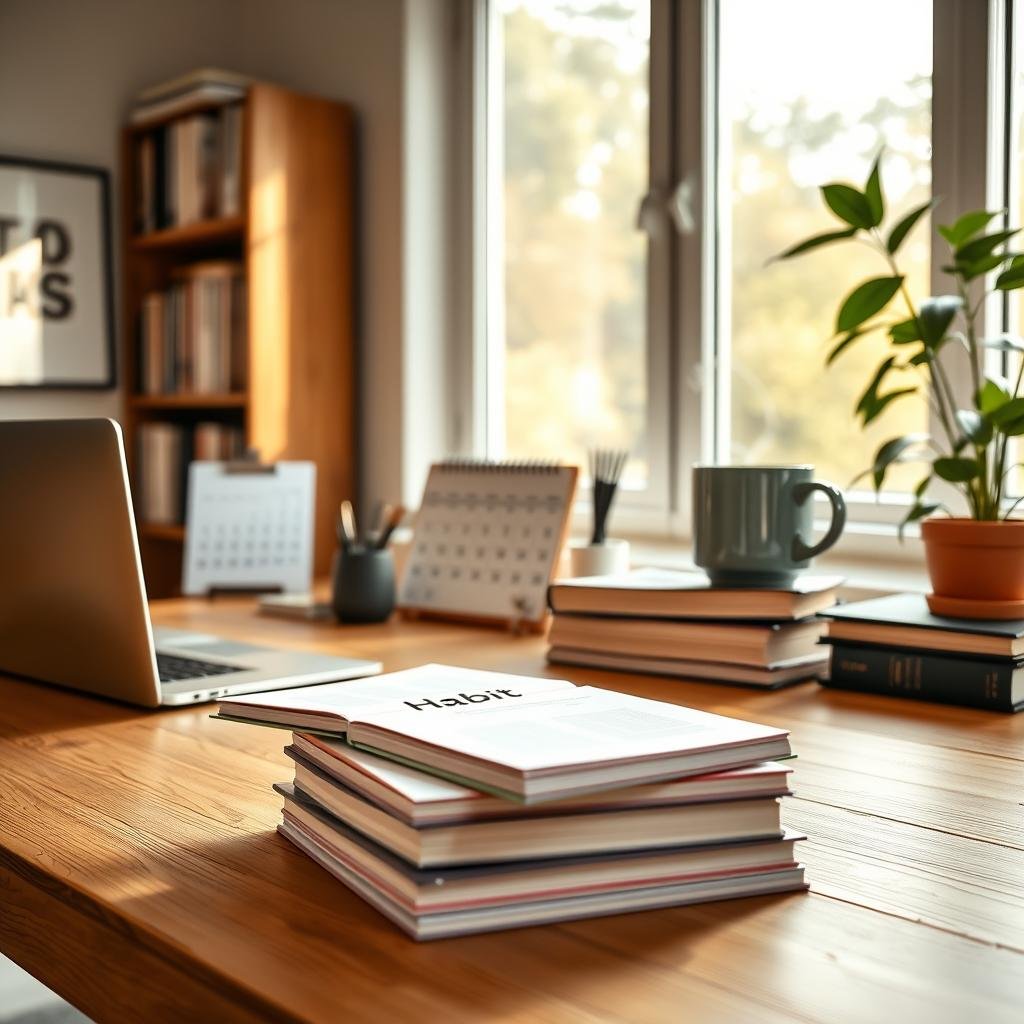
Pairing new habits with existing ones
Your brain loves patterns. Try attaching a 30-second habit to something you already do:
- While brewing coffee, recite three affirmations.
- During toothbrushing, stand on one leg for balance.
- Use shower time to visualize your day.
These “anchor behaviors” make upgrades seamless. No extra time or willpower needed.
James Clear’s Atomic Habits approach
The 2-minute rule slashes procrastination. Start small: meditate for 120 seconds after pouring your tea. Consistency beats intensity.
Clear’s formula works: “After [current habit], I will [new habit].” Example: “After I sit at my desk, I’ll write one priority.”
Pro tip: Grab our habit menu—50+ stackable ideas for every energy level. Pair them with your routine and watch your life transform.
Morning Pitfalls and How to Avoid Them
Your early choices can make or break your momentum—here’s how to dodge common traps. Tiny missteps fragment focus, but simple fixes keep your day on track.

The snooze button sabotage
Hitting snooze feels harmless, but Sleep Health Journal found it spikes sleep inertia by 41%. Those 9-minute fragments trick your brain into deeper grogginess.
Try the 5-4-3-2-1 launch technique:
- Count down from 5, then swing your legs out of bed.
- Place your alarm clock across the room—force a full wake-up.
- Chug water pre-brewed in a thermos to shock your system alert.
Why social media can wait until noon
AM scrolling correlates with 33% higher afternoon decision fatigue. Your phone hijacks dopamine pathways, leaving less fuel for creative work.
Calculate the cost: Just 15 minutes of social media checks wastes 45 hours annually. Swap reactive scrolling for these wins:
- Enable Focus Mode to block apps until lunch.
- Charge devices outside the bedroom—use an old-school alarm clock.
- Try a 30-day detox: Reduce screen time by 5-minute increments.
Protect your first hours. The morning is your power zone—guard it fiercely.
Advanced Biohacks for Peak Mornings
Want to supercharge your dawn hours with science-backed upgrades? These health-optimizing tweaks take just minutes but deliver outsized rewards. From temperature tricks to brain-boosting fasts, discover what elite performers swear by.

Cold exposure benefits (and beginner methods)
Your body responds powerfully to cold. A 30-second shower spikes norepinephrine by 250%, per Cryobiology research. This natural chemical sharpens focus and energy.
New to cold therapy? Try the face dunk protocol:
- Fill a bowl with ice water
- Hold breath, submerge face for 15 seconds
- Repeat 2x for instant alertness
Too intense? An ice roller on your neck achieves similar health benefits gently. It stimulates lymphatic drainage while waking you up.
Intermittent fasting timing strategies
When you eat impacts mental clarity. A 14-hour fast improves cognitive performance by 19%. Here’s how to sync meals with your body clock:
- 16:8 method: Eat between 10 AM–6 PM for sustained energy
- 12:12 for beginners: Finish dinner by 8 PM, breakfast at 8 AM
Pair your first meal with alpha-GPC supplements. This combo enhances brain function better than coffee alone.
Pro tip: Stack these habits—cold exposure before breaking your fast creates synergistic effects. Your day starts with unstoppable momentum.
Real-Life Routines from High Achievers
What separates high achievers from the rest? Their first hour sets the tone. From Fortune 500 CEOs to busy parents, intentional rituals create unstoppable momentum. Let’s decode their playbooks.

A CEO’s 5 AM Blueprint
Top executives average 4:55 AM wake-ups. Their secret? Time-blocked focus. One leader swears by this sequence:
- 4:55–5:15 AM: Hydrate + cold face splash
- 5:15–5:37 AM: 22-minute Peloton sprint
- 5:37–6:00 AM: MIT (Most Important Task) session
“The treadmill desk changed my work,” shares a tech founder. She triages emails while walking at 2 mph—burning calories and boosting creativity.
A Busy Parent’s 20-Minute Power Routine
78% of parents use micro-habits under 5 minutes. Try this teacher-approved hack:
- Prep lunches during kids’ breakfast (multitasking win)
- Stroller-flow workout: Squats while pushing, calf raises at stoplights
- 7-minute emergency routine when chaos strikes: 1 min breathwork, 3 min dance party, 3 min priority list
NASA scientists use a 3-phase cognitive priming method:
- Phase 1: Cold exposure (ice water hand dunk)
- Phase 2: Spatial puzzles (5-min Tetris)
- Phase 3: Protein-rich breakfast
Artists and engineers differ too. Painters favor free journaling; coders opt for structured task lists. Your life needs its own rhythm—steal these ideas, then make them yours.
Your Invitation to Transformational Mornings
Ready to craft mornings that fuel your best life? Join our 21-day “Rise & Thrive” challenge—small steps with big impact. Track progress with our free mirror decal template, designed for visible wins.
Need accountability? Dive into live virtual co-working sessions. We’ll pair sunrise focus sprints with quarterly refreshes to keep your habits fresh. Even better: our “habit inheritance” guide helps pass rituals to kids.
94% of participants report higher satisfaction after 90 days. Your journey starts now. Grab your sunrise meditation audio—and let’s build a dawn worth waking for.