
Your surroundings have a profound impact on your physical and emotional well-being. By making thoughtful changes, you can turn your house into a sanctuary that actively supports your health and happiness. Simple adjustments can create a space that nurtures your body and mind.
Design expert Lorissa MacAllister emphasizes the importance of creating environments that align with your daily routines and aspirations. Evidence-based principles show that even small tweaks can enhance your living area’s restorative power.
Discover how to boost your space’s potential. From improving sleep quality to strengthening family connections, your environment plays a key role in shaping your life. Start today and take control of your surroundings for a healthier, more fulfilling lifestyle.
Understanding the Concept of a Healing Home
Your living space can shape your daily mood and energy levels. It’s more than just a place to live—it’s a partner in your wellness journey. By creating a healing environment, you can transform your area into a sanctuary that supports your health and happiness.
Clutter and chaos can raise stress levels, making it harder to relax. Studies show that a messy space increases cortisol, the stress hormone. Simple changes, like organizing your surroundings, can calm your nervous system and improve your overall well-being.
For trauma survivors, specific design elements like soft lighting and clear pathways can reduce anxiety. These safety-focused features create a sense of control and comfort. Even small adjustments, such as rearranging furniture, can foster better conversations and stronger connections.
As design expert Lorissa MacAllister says, “Your surroundings directly influence your ability to rest and recharge.” By making intentional choices, you can turn your space into a place that nurtures your body and mind. Start today and take charge of your environment for a healthier, more fulfilling way of life.
Incorporating Nature into Your Home
Bringing the outdoors inside can transform your daily life. Natural elements like light, plants, and earthy textures create a calming and refreshing atmosphere. These simple additions can make your space feel more alive and connected to the world outside.
Maximizing Natural Light
Natural light is a game-changer for any room. It regulates your circadian rhythms, helping you sleep better and feel more energized. To harness sunlight effectively, consider these tips:
- Use sheer curtains or blinds to let in maximum light while maintaining privacy.
- Place mirrors strategically to reflect and amplify sunlight in darker corners.
- Choose color schemes that bounce light, like soft whites or pastels.
Adding Indoor Plants and Nature-Inspired Decor
Indoor plants do more than beautify your space—they purify the air and boost your mood. Spider plants, for example, remove 95% of formaldehyde from the air. Here’s how to create a nature-inspired haven:
- Add NASA-approved air-purifying plants like snake plants or peace lilies.
- Create “biophilic zones” with succulents, water features, and wood textures.
- Incorporate nature artwork, which can lower blood pressure by 4%.
By following the “5-4-3 rule”—5 natural materials, 4 plants, and 3 nature views per room—you can craft a space that feels both serene and invigorating.
Simplifying Your Space for Peace and Clarity
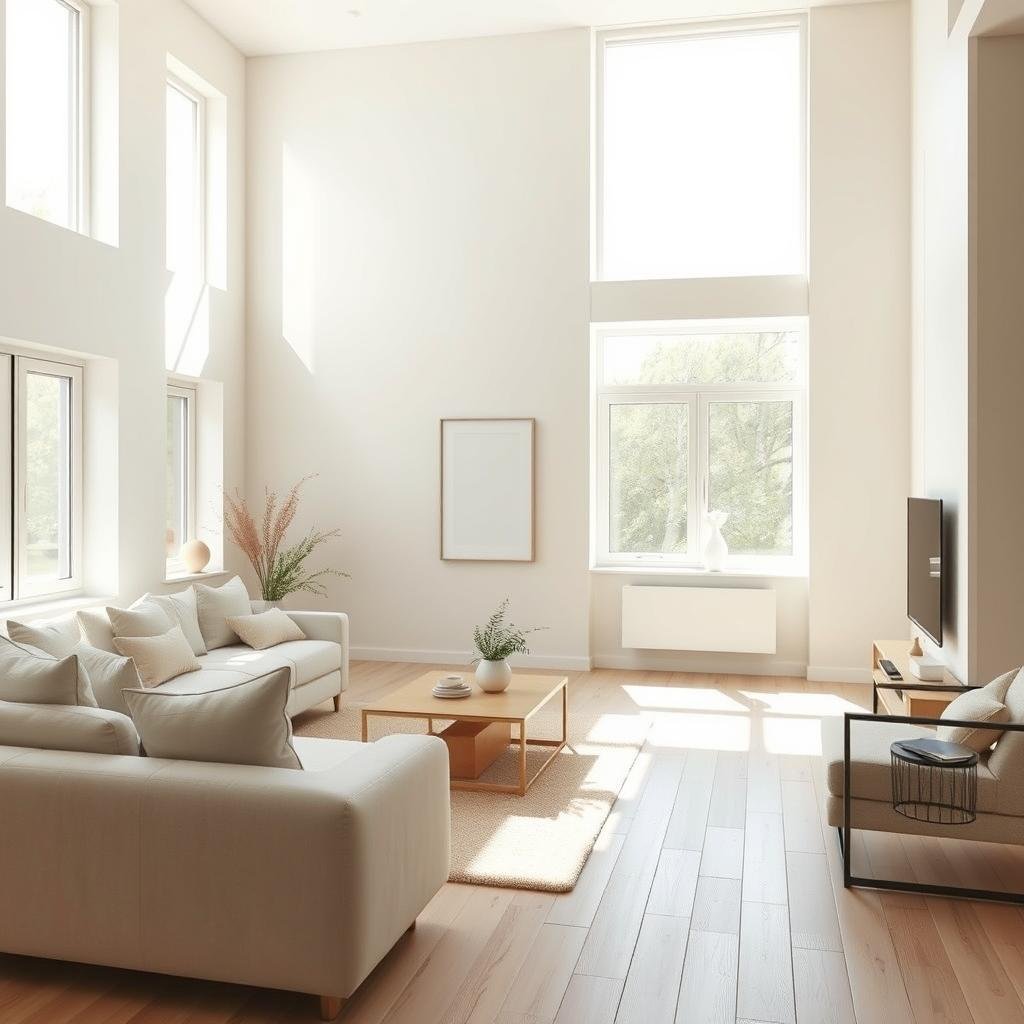
Simplifying your surroundings can bring peace and clarity to your daily life. A well-organized area reduces stress and helps you focus on what truly matters. By addressing your needs, you can create a space that supports your mental and emotional well-being.
Decluttering for Stress Reduction
Clutter can increase cortisol levels by 15%, making it harder to relax. Start with the 10-Minute Tidy-Up, a neuroscientist-approved method for lasting order. This quick routine helps you maintain a clean and calming environment.
Try the Three-Basket Technique for stress-free decluttering. Sort items into three categories: keep, donate, and discard. This simple process ensures your space stays organized and functional.
Creating Quiet Zones for Reflection
Designate areas for specific activities to enhance focus and relaxation. For example, create a sunrise meditation corner with foldable floor cushions and blackout curtains. This dedicated spot can help you start your day with intention.
Transform underused areas into functional spaces. Turn stair landings into reading nooks with wall-mounted shelves. These small changes can make a big difference in how you use your time and energy.
By simplifying your space, you can create a haven of comfort and clarity. Start today and take the first step toward a more peaceful and fulfilling way of life.
Choosing Colors That Promote Healing
The right colors can transform your space into a calming retreat. They influence your mood, energy, and even your ability to relax. By understanding the psychology of color, you can create a sense of harmony in every room.

Understanding the Psychology of Color
Colors have a profound impact on your emotions. For example, blue is known to reduce anxiety and improve sleep quality. Studies show that blue bedrooms can add 45 minutes of restful sleep each night. Warm neutrals, like beige and taupe, reduce PTSD triggers by 30%, making them ideal for trauma survivors.
Yellow, on the other hand, boosts appetite and energy. In fact, 68% of seniors report increased hunger in yellow kitchens. By choosing the right colors, you can address specific needs and enhance your daily life.
Selecting Colors for Different Rooms
Each room has unique requirements. Here’s how to choose the perfect palette:
- Home Offices: Use sage green to boost concentration and productivity.
- Entryways: Create “color transition zones” with cool tones that lead into warm living areas.
- Social Spaces: Opt for peach or soft coral to encourage conversation and connection.
- Bedrooms: Lavender is perfect for reducing anxiety and promoting relaxation.
Expert tip: Paint ceilings “Breathable Blue” to create the illusion of height and openness. This simple trick can make any room feel more spacious and calming.
By following the 60-30-10 rule—60% dominant color, 30% secondary tone, and 10% accent shade—you can craft a balanced and visually appealing space. Start today and let colors guide your way to a more peaceful and fulfilling environment.
Designing a Comfortable and Restful Bedroom
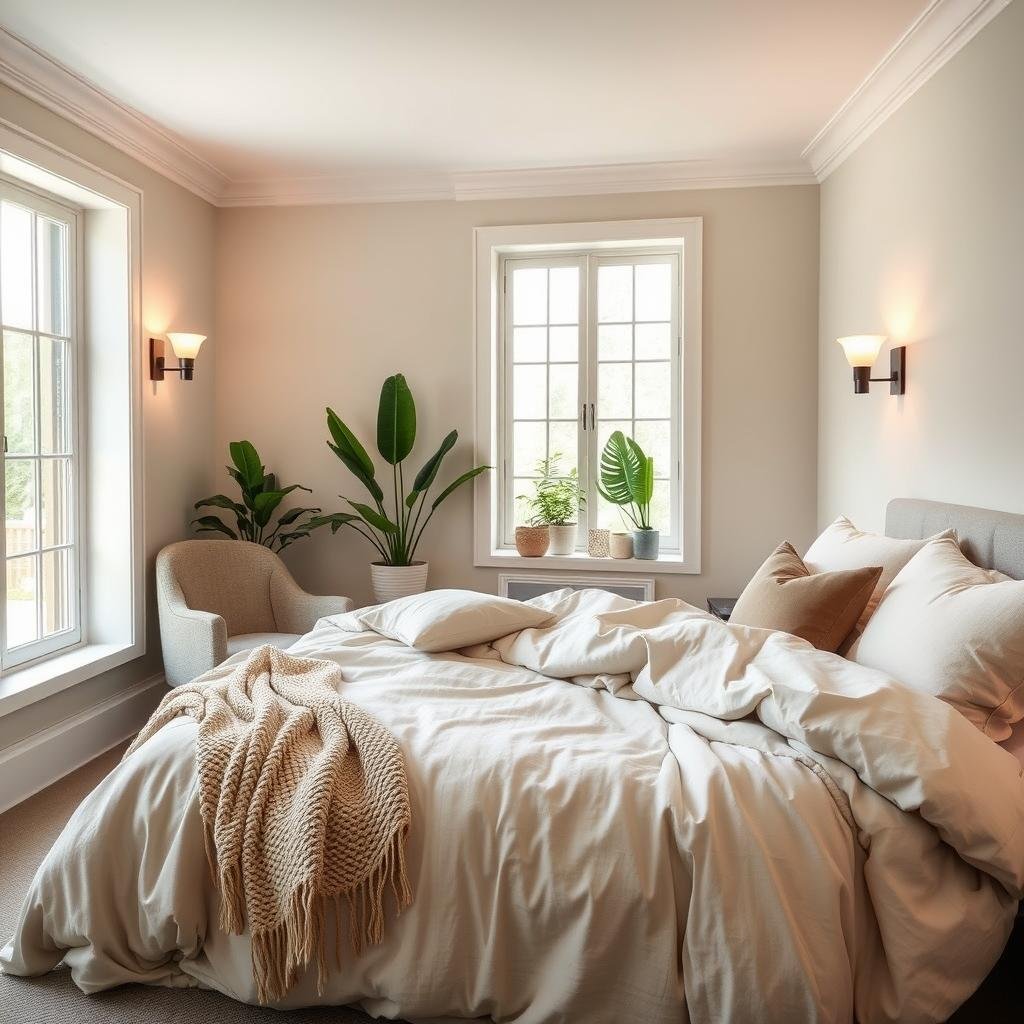
Your bedroom should be a haven of rest and rejuvenation. It’s where you recharge after a long day, so creating a space that promotes comfort and health is essential. With a few thoughtful changes, you can transform your room into a sanctuary that supports better sleep and overall well-being.
Creating a Dark and Clutter-Free Space
A dark and organized room is key to improving sleep quality. Start by layering blackout curtains with light-filtering sheers to block out unwanted light. This simple step can make a big difference in creating a sleep-friendly environment.
Decluttering is equally important. A messy space can increase stress and make it harder to relax. Try the Three-Basket Technique: sort items into keep, donate, and discard piles. This method helps maintain order and ensures your room stays functional and calming.
Choosing the Right Bedding and Lighting
Your bedding plays a crucial role in your comfort. Opt for materials that suit your needs, like breathable cotton or moisture-wicking fabrics. Weighted blankets, for example, improve sleep efficiency by 32%, making them a great addition to your bed.
When it comes to lighting, choose wisely. Red night lights preserve melatonin better than white ones, helping you stay asleep. For added safety, install motion-activated floor lighting, which reduces senior fall risk by 53%.
Finally, establish a Bedroom Reset ritual. A nightly tech-free wind-down routine can signal to your body that it’s time to rest. These small changes can make your room a true sanctuary for relaxation and recovery.
Enhancing Your Outdoor Spaces for Healing
Spending time outdoors can significantly boost your mental and physical health. Whether it’s your backyard or a local park, these spaces offer a chance to reconnect with nature and find peace. Simple changes can turn these areas into restorative retreats that support your well-being.
Creating a Relaxing Backyard Oasis
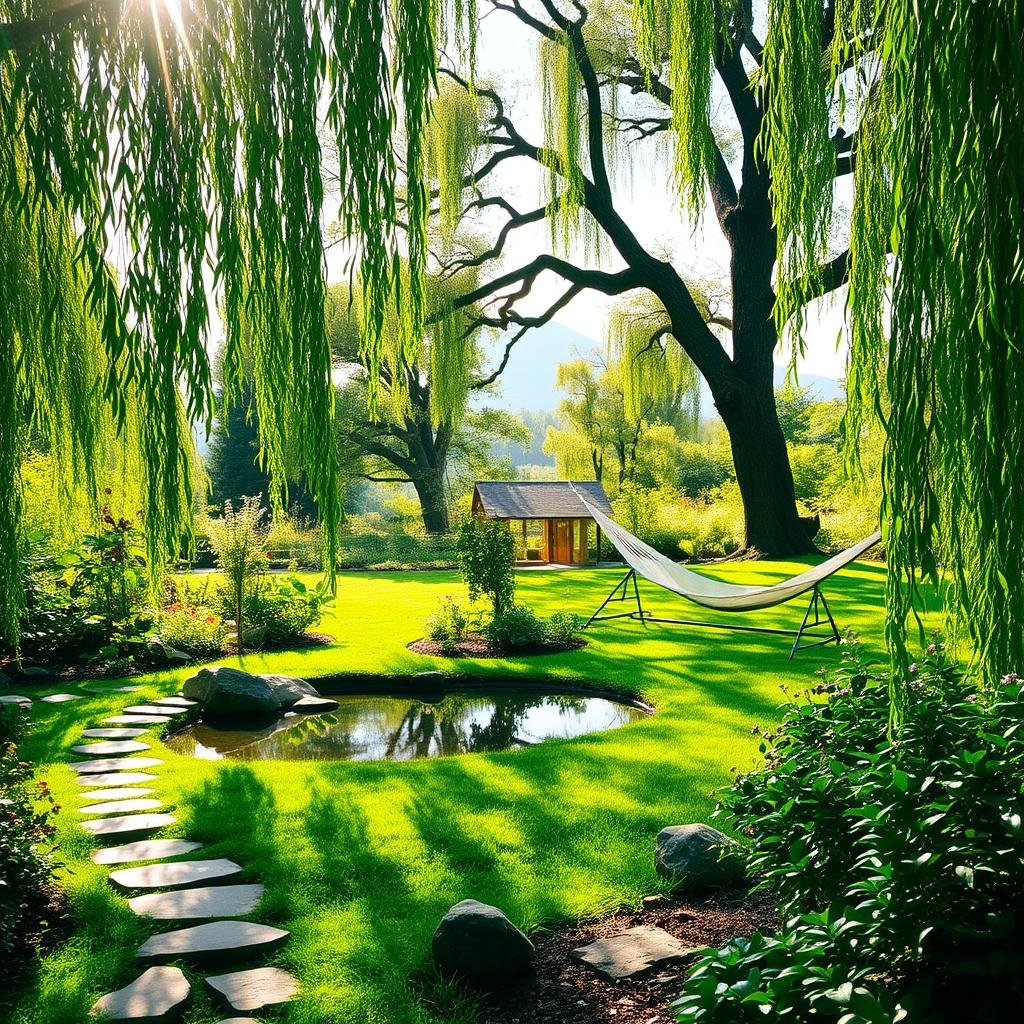
Your backyard can become a sanctuary for relaxation and rejuvenation. Start by designing micro-nature zones, like container gardens for small patios. These mini-gardens bring greenery into limited spaces and create a calming atmosphere.
Add sensory pathways with varied textures underfoot. Gravel, wood chips, or smooth stones can engage your senses and make your backyard more inviting. Water features, like fountains or small ponds, mask urban noise pollution by 68%, creating a serene environment.
For multigenerational use, install ADA-compliant raised beds. These accessible garden beds increase senior activity by 40%, making it easier for everyone to enjoy gardening. By transforming your backyard, you can create a space that nurtures your body and mind.
Connecting with Nature in Local Parks
Local parks offer endless opportunities to connect with nature. Try “Forest Bathing Lite,” a 15-minute daily immersion technique. This practice lowers stress hormones by 16%, helping you feel more grounded and relaxed.
Partner with your local parks department for therapeutic gardening programs. These initiatives foster a sense of community while promoting physical activity. They also provide a meaningful way to care for the environment and improve your life.
Even small actions, like taking a walk or sitting under a tree, can make a big difference. By embracing these outdoor spaces, you can enhance your well-being and find a healthier way to live.
Embracing a Healing Lifestyle at Home
Small daily habits can transform your space into a source of strength and calm. Start with simple rituals like morning light exposure and evening gratitude journaling. These practices align your environment with your needs, fostering a sense of balance and peace.
Build a support ecosystem that nurtures your well-being. From houseplants to professional care services, every element plays a role. Weekly self-assessments, like the “Four Environment Check-In,” help you stay attuned to your health goals.
For seniors, explore Medicare-covered modifications to enhance safety and comfort. These changes can improve life quality and independence. Engage your community by sharing your journey and learning from others.
Take the “Healing Home Challenge”—a 30-day transformation with measurable goals. This step-by-step approach empowers you to create a space that truly supports your needs. Start today and embrace a lifestyle that prioritizes your well-being.