
Juggling work, parenting, and chores can feel overwhelming. Studies show over half of working parents struggle to keep up with daily responsibilities. But a well-organized space can transform chaos into calm.
Modern living demands more than just cleanliness—it’s about creating harmony. The right approach helps you save time, reduce stress, and enjoy more moments with loved ones.
From smart organizational systems to tech tools, small changes make a big difference. Discover how simple tweaks can bring balance to your routine while boosting well-being.
Introduction: The Power of a Well-Managed Home
The dream of a peaceful home often clashes with daily chaos. Magazines show spotless kitchens, but real life? Laundry piles, forgotten appointments, and takeout boxes tell a different story.
A Pew Research Center survey reveals 56% of working moms and 50% of dads struggle to balance work and home life. Without systems, stress builds—fast.
What is home management really about? It’s creating a space that supports you, not drains you. Clutter and disorganization steal time and energy, leaving little for what matters.
The cost of poor systems adds up:
- Missed family moments due to last-minute scrambling
- Higher stress levels from constant visual noise
- Wasted hours searching for lost items
But there’s hope. Simple fixes—like decluttering hotspots or planning meals ahead—can reclaim your time. Imagine fewer frantic mornings and more relaxed evenings.
This guide covers practical steps, from smart routines to tech tools. Ready to transform chaos into calm? Let’s begin.
Mastering Organizational Strategies for Busy Families
A structured approach turns chaotic days into well-orchestrated routines, giving families back precious time. According to a University at Albany study, kids thrive with predictable schedules—showing better focus and emotional stability. The secret? Smart systems that adapt to your family’s unique rhythm.

Creating Efficient Schedules That Work
Time-blocking transforms overwhelm into action. Try Cal Newport’s 15-minute increments method: assign short bursts for emails, chores, or homework. Families report a 23% productivity boost after time audits revealed hidden pockets of wasted minutes.
Pro tip: Color-code a shared calendar. Soccer practice in blue, work meetings in red—visual cues help everyone stay on track.
Implementing Task Delegation Techniques
Assign chores by ability, not age. Toddlers can sort socks, while teens handle laundry. A family command center—with a chore chart and reward stickers—turns duties into teamwork.
Rotate tasks weekly to avoid burnout. Wednesday trash duty? Swap it for Friday pet care next week.
Leveraging Technology for Seamless Coordination
Apps like Maple sync grocery lists, meal plans, and schedules in one place. Set reminders for piano lessons or dentist visits—no more last-minute scrambles.
Sync digital calendars across devices. Grandma gets alerts for school plays, and your partner knows when to pick up dinner.
Fair and Effective Household Responsibilities Distribution
Balancing chores and family time shouldn’t feel like a tug-of-war. A University of Scranton study found 40–44% of people abandon goals when systems are unrealistic. The fix? A flexible plan that plays to each person’s strengths.
Identifying Core Chores for Your Family
Start with a master list. Use tools like ClickUp’s Chore Chart Template to track daily, weekly, and monthly tasks. Focus on high-impact areas: laundry, meals, and tidying. Break big jobs into smaller steps—like sorting socks before washing.

Assigning Tasks Based on Skills and Availability
Match chores to talents. Got a teen who loves cooking? Let them plan Wednesday dinners. An organized partner? They can manage supplies. Skill-based delegation cuts frustration and boosts efficiency.
Color-code a shared Google Calendar. Soccer practice in green, trash duty in red—visual cues keep everyone aligned.
Rotating Duties to Maintain Balance
Avoid chore burnout with monthly rotations. Try a reward-point system: 10 points for bathroom cleaning = extra screen time. One family saw a 31% drop in complaints after switching roles regularly.
Hold weekly family meetings to adjust tasks. Kids feel heard, and adults get backup during busy weeks.
Time Management Techniques That Actually Work
Clocks tick the same for everyone, yet some families accomplish more with less stress—here’s how. The Pareto Principle reveals 80% of results come from 20% of efforts. Focus on high-impact actions to transform chaotic days into productive ones.

Prioritizing Your Daily Tasks Strategically
Not all tasks deserve equal attention. The Eisenhower Matrix sorts them into four boxes: urgent/important, important/not urgent, urgent/not important, and neither. Tackle the first two categories early in your day.
Try this:
- Label emails as “respond today” or “schedule for later”
- Use ClickUp’s timer to track how long chores really take
- Batch similar activities (like paying bills + meal planning)
Setting Realistic Goals and Deadlines
Overloading your plan sets you up for failure. One family reclaimed 7 hours weekly by:
- Writing down all tasks for a week
- Highlighting only what they could finish without rushing
- Saving leftovers for the following week
The Power of Time Blocking
Designate power hours for deep focus. A mom of three swears by 9–11 AM for laundry and paperwork, leaving afternoons flexible. The two-minute rule helps too: if something takes less than 120 seconds, do it immediately.
Pro tip: Color-code blocks on a shared calendar—yellow for kid activities, green for your workouts. Visual cues prevent overbooking.
Meal Planning and Preparation Made Simple
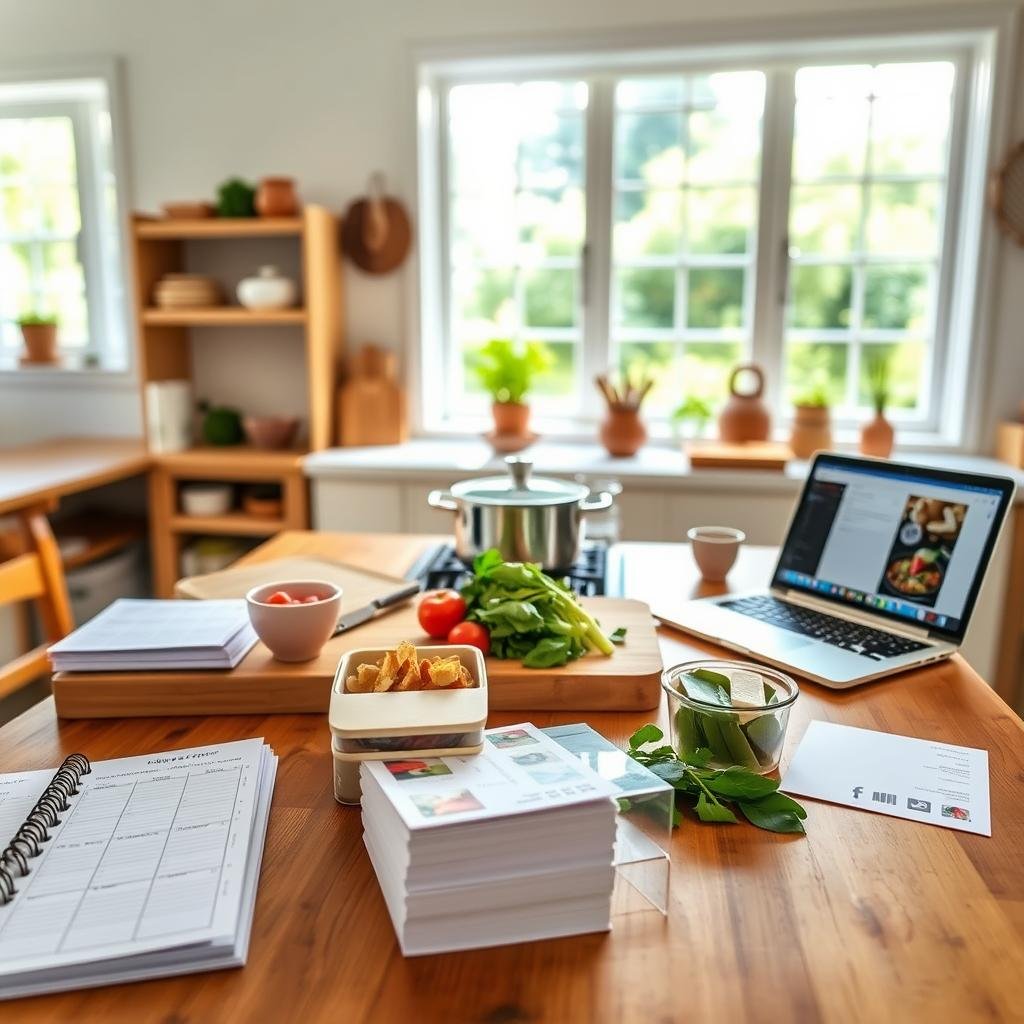
Dinnertime stress vanishes when you crack the code of smart meal planning. No more staring into the fridge at 6 PM or overspending on grocery runs. Research shows planners have 23% lower obesity rates (International Journal study)—proof that organization boosts health too.
Why Meal Planning Is a Game-Changer
Imagine your week without frantic takeout orders. Planning cuts decision fatigue and saves money. One family slashed $212/month by prepping meals in advance.
Try these starters:
- Theme nights: Taco Tuesdays or Stir-Fry Fridays simplify choices
- ClickUp’s template tracks nutrition and costs in one place
- Label freezer meals with Souper Cubes for grab-and-go ease
Quick and Healthy Meal Ideas for Busy Weeknights
Five ingredients, 30 minutes—done. Whip up garlic shrimp stir-fry or chickpea pasta. These recipes turn chaotic days into delicious wins.
Pro tip: Double portions. Tonight’s dinner becomes tomorrow’s lunch.
Batch Cooking and Freezing for Stress-Free Meals
Spend one day prepping, eat all week. Cook triple batches of soups or lasagna. Freeze in portions—your future self will thank you.
Case study: A mom of three saves 7 hours weekly with this system. Less cooking, more living.
Smart Budgeting and Financial Management for Households
Money stress melts away when you take control of your family’s finances. A home management system isn’t complete without a plan for your dollars. Studies show families with clear budgets argue less about money and save 18% more annually.

Creating a Family Budget That Works
Start with the 50/30/20 rule: 50% needs, 30% wants, 20% savings. Tools like ClickUp’s Budget Templates automate tracking. One mom slashed her grocery spending by $200/month by color-coding expenses.
Try the digital envelope system:
- Label virtual “envelopes” for bills, groceries, fun
- Move leftover funds to savings weekly
- Use apps like Goodbudget to sync with your partner
Tracking Expenses Without the Stress
Turn receipts into insights. Snap photos with Expensify—it categorizes spending automatically. No-spend challenges work wonders: skip takeout for a week, stash the savings.
Pro tip: Review spending every Sunday. Spot trends like overspending on snacks or unused subscriptions.
Smart Saving and Investing Strategies
Pay yourself first. Auto-transfer 10% of paychecks to savings. Micro-investing apps like Acorns round up purchases—your coffee change builds a nest egg.
One family grew a $5k emergency fund in 11 months by:
- Selling unused items monthly
- Meal prepping to cut food waste
- Banking windfalls (tax refunds, bonuses)
Home Organization and Decluttering Strategies
Clutter doesn’t just crowd your space—it clouds your mind, according to Princeton researchers. Their study found disorganized stuff reduces focus by 29%. But with the right approach, your home can become a sanctuary of calm and efficiency.

Decluttering Methods That Actually Last
Try the 5-box method: Label boxes Keep, Donate, Trash, Relocate, and Undecided. Sort stuff room by room. One family reclaimed 45% more time for cleaning after using this system.
Stuck on sentimental items? Ask: “Have I used this in the past year?” If not, it might be time to let go.
Maximizing Your Space Creatively
Think vertical. IKEA’s SKÅDIS pegboards turn walls into storage for kitchen tools or office supplies. Under-bed bins with labels (like ClearFront) hide seasonal items without eating floor space.
Pro tip: Use drawer dividers for socks or utensils. Small tweaks create big results.
Maintaining a Clutter-Free Environment Daily
A 10-minute tidy each day keeps chaos at bay. Set a timer and tackle hotspots like entryways or counters. Kids can join by sorting toys into color-coded bins.
Make it habit: Pair tidying with dinner prep or bedtime. Consistency beats marathon cleaning sessions.
Effective Household Management Strategies to Implement With Kids
Turning chores into fun activities can transform your family’s daily routine. When kids feel involved, they learn responsibility—and you gain extra help. Studies show children who do chores develop better problem-solving skills and confidence.

Age-Appropriate Chores for Children
Match tasks to your child’s abilities. A 4-year-old can water plants or sort socks, while a 12-year-old handles laundry. ClickUp’s Daily Schedule for Kids Template simplifies tracking progress.
Try this breakdown:
- Ages 3–5: Wipe tables, feed pets
- Ages 6–9: Set the table, fold clothes
- Ages 10+: Vacuum, meal prep basics
Making Chores Fun and Rewarding
Gamification works wonders. One family saw a 68% increase in participation with “chore bingo.” Winners pick a movie or extra playtime.
More ideas:
- Use magnetic charts with Starface rewards
- Three-jar allowance system (Save/Spend/Give)
- Race the timer: “Can you beat 5 minutes?”
Teaching Responsibility Through Household Tasks
Chores aren’t just about clean floors—they’re life lessons. Kids learn teamwork and accountability. Start small: praise effort, not perfection.
Pro tip: Pair tasks with their interests. Animal lovers? Pet care duty. Future chefs? Stir the soup.
Leveraging Technology for Household Management
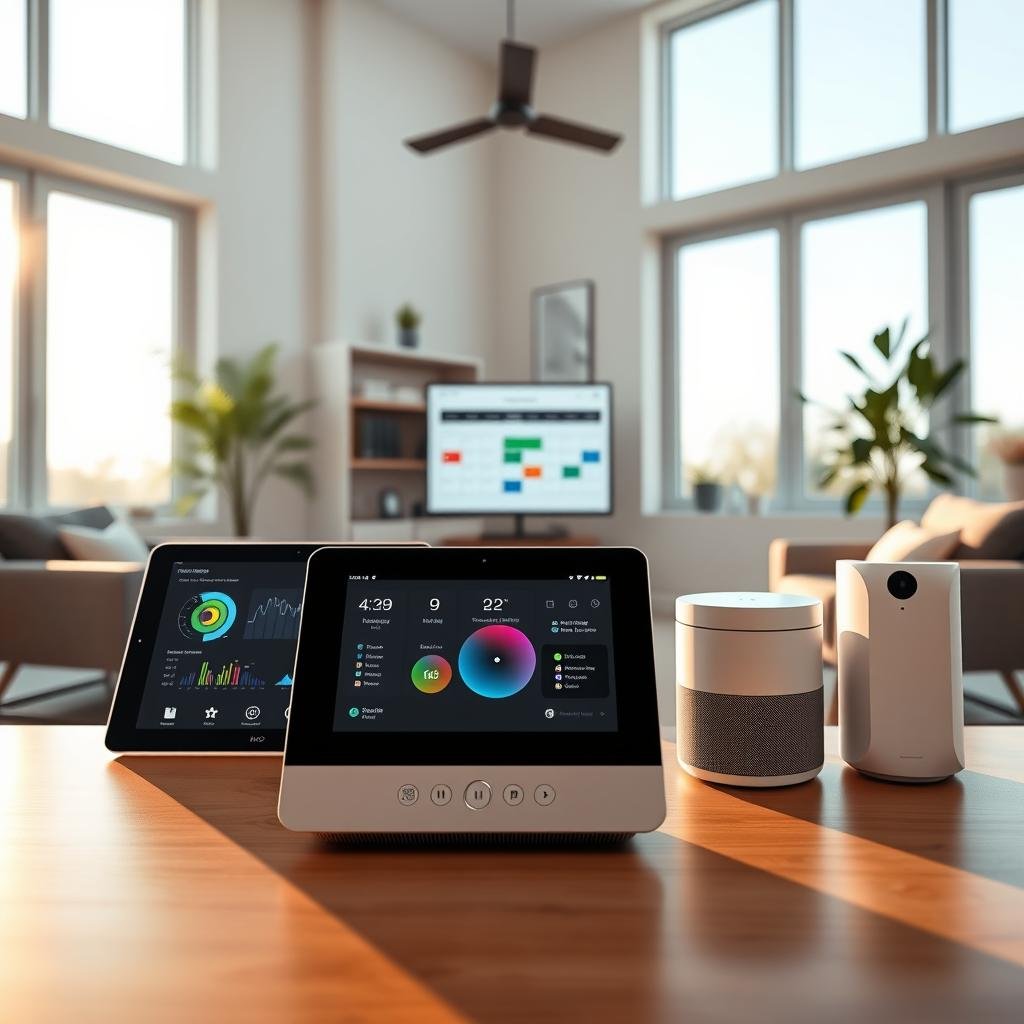
Your phone holds the secret to smoother days and calmer nights at home. The right apps turn chaos into coordination, saving time and cutting stress. A home management system powered by tech means fewer missed appointments and more moments that matter.
Best Apps for Task Management and Scheduling
Ditch paper lists for smart tools. Tody gamifies cleaning with reminders, while Sweepy assigns chores based on energy levels. Sync both with ClickUp to track progress across devices.
Pro tip: Color-code tasks by priority—red for urgent, blue for family activities. One parent reclaimed 5 hours weekly by automating reminders for school forms and pet vet visits.
Digital Tools for Meal Planning and Groceries
PantryCheck scans barcodes to track pantry items, alerting you when pasta runs low. Pair it with Alexa voice lists for hands-free shopping. Maple syncs recipes and grocery lists, so dinner plans adapt to busy nights.
Case study: A family of four saved $180/month by using meal-planning apps to reduce food waste. Pre-loaded carts mean no impulse buys at checkout.
Using Shared Calendars for Family Coordination
Google Calendar’s color-coding makes schedules crystal clear. Assign hues—green for work, purple for kids’ activities. Sync Cozi with ClickUp so piano practice never clashes with your conference call.
Try this: Share edit access with grandparents. They’ll get alerts for school plays, and you’ll avoid double-booking.
Your Journey to a Harmonious Home Starts Today
Small steps lead to big changes. You don’t need a perfect system—just a plan that works for your family. Time blocks, chore rotations, and tech tools can turn chaos into calm.
Progress beats perfection. Start with one change this week. Maybe it’s a 10-minute tidy-up or themed dinner nights. Celebrate small wins—they add up fast.
Grab our free 30-day checklist to track your progress. For extra support, explore our partnership with Hello, Nanny!—they help busy families reclaim balance.
Ready? Pick one strategy and begin today. Your peaceful home awaits.