
Ever wake up feeling like you barely rested, even after a full night’s sleep? You’re not alone. Many of us struggle with this frustrating cycle, leaving us drained and unmotivated for the day ahead. But what if small changes could make a big difference?
I used to feel the same way until I transformed my evening habits. By focusing on a few key strategies, I noticed a dramatic shift in how I felt both at night and during the day. The results? Less pain, sharper focus, and even a healthier weight.
Your body deserves true rest. In this guide, I’ll share five actionable steps you can start tonight. These aren’t just theories—they’re backed by research, including insights from Shawn Stevenson’s groundbreaking work. You’ll feel the difference almost immediately.
Ready to take the first step toward better rest and more energy? Let’s dive in and unlock your full potential.
Why Sleep Quality Matters More Than You Think
What if the key to feeling great every day lies in the quality of your rest? It’s not just about the hours you spend in bed—it’s about how deeply your body and brain recover during that time. A Harvard study found that blue light exposure reduces melatonin production by 50% within just two hours, disrupting your natural rhythm.
Your circadian rhythm plays a crucial role in hormone regulation. When it’s balanced, your body produces the right amount of cortisol and melatonin, reducing inflammation and promoting healing. Shawn Stevenson’s recovery from bone density issues through optimized rest is a powerful example of this balance in action.
During REM sleep, your brain converts daily experiences into long-term memories. Think of it as a nightly system reboot for your mind and body. Without this phase, you’re more likely to feel groggy and unfocused the next day.
- 33.9% of men and 17.4% of women have undiagnosed sleep apnea, a condition that disrupts rest and increases health risks.
- Poor rest is linked to higher risks of diabetes and obesity, as shown in a Canadian Medical Association Journal study.
- Irregular bedtimes can reduce sleep quality by 40%, according to a 2020 study.
Your nightly habits aren’t just about feeling rested—they’re about giving your body the tools it needs to repair and thrive. Start prioritizing quality rest today, and you’ll notice the difference in years to come.
Sleep Smarter: Tips for Restful Nights and Energized Days
Transform your evenings with simple, science-backed habits. Small adjustments to your routine can lead to significant improvements in how you feel. Whether it’s optimizing your environment or adjusting your schedule, these changes can make a real difference.
Start with the 10-3-2-1-0 rule: No caffeine 10 hours before bed, no meals 3 hours before, no work 2 hours before, no screens 1 hour before, and zero snooze buttons. This approach helps your body wind down naturally.
Your body’s thermal regulation plays a key role. Starting at 9 PM, your core temperature drops, signaling it’s time to rest. Keep your bedroom between 65-68°F for optimal comfort. This small tweak can improve the quality of your hours bed.
Grounding techniques, like walking barefoot on grass or concrete, can help reduce stress and improve recovery. Pair this with a sleep sanctuary—blackout curtains, a cool room, and minimal distractions—to create the perfect environment.
Consider magnesium supplements for muscle relaxation and sunlight alarm clocks for natural wake-ups. These tools support your body’s natural rhythms, helping you feel refreshed and ready for the day.
Try the 4-7-8 breathing method: Inhale for 4 seconds, hold for 7, exhale for 8. This technique promotes rapid relaxation. For busy schedules, Shawn Stevenson’s stacking conditions approach combines multiple habits into one seamless routine.
Progressive muscle relaxation audio guides can also help you unwind. These strategies, backed by research, are designed to help you Sleep Smarter: Tips for Restful Nights and Energized Days. Start tonight and feel the difference.
Power Down: Limit Screen Time Before Bed
Did you know your screen habits could be sabotaging your rest? The glow from your devices might be the reason you’re tossing and turning. Research shows that just two hours of screen use can completely suppress melatonin secretion, making it harder to wind down.
To reclaim your bedtime, start by setting a screen-off time. Aim for at least 90 minutes before you hit the pillow. This “digital sunset” gives your brain a chance to relax and prepare for the night ahead.
Set a Screen-Off Time
Establishing a consistent cutoff for device use is a game-changer. Try replacing scrolling with tactile activities like adult coloring books or journaling. These alternatives help you disconnect and focus on calming your mind.
Create a device charging station outside your bedroom. This simple step removes the temptation to check your phone during the night. It’s a small change with big rewards for your bedtime routine.
Create a Bedtime Ritual
Replace screen time with a soothing ritual. Amber reading lights are perfect for transitioning from books to rest. They mimic the warm glow of sunset, signaling to your body that it’s time to wind down.
Consider apps like Freedom or Forest to hold yourself accountable. These tools block distracting apps and websites, helping you stick to your screen-off schedule.
Use Night Mode on Devices
If you must use screens, enable night mode. Apps like FLUX reduce blue light emissions by 60%, minimizing its impact on your melatonin levels. On iPhones, activate “Bedtime Mode” to dim your screen and filter out harsh light.
For Windows or Mac users, Night Shift mode is a lifesaver. It automatically adjusts your screen’s color temperature as the hour grows later, making it easier on your eyes and your brain.
By limiting screen time and embracing these strategies, you’ll create a healthier relationship with your devices—and enjoy deeper, more restorative rest.
Soak and Stretch: A Relaxing Pre-Bed Routine
Unwind your body and mind with a soothing pre-bed routine. These simple practices can help you transition from a busy day to a calm night, setting the stage for deep rest and recovery.

Take a Warm Bath
A warm bath is more than just relaxing—it’s science-backed. Adding lavender or Epsom salts can increase slow-wave rest by 20%. The magnesium in Epsom salts helps your body absorb essential minerals, promoting muscle relaxation.
Try a Korean jjimjilbang-inspired foot soak for an extra touch of luxury. Pair it with chamomile tea bags or magnesium flakes for a spa-like experience. Time your bath to align with your body’s natural temperature drop, about an hour before bedtime.
Incorporate Gentle Stretching
Gentle stretching can reduce cortisol levels by 28%, helping you feel more relaxed. Start with a 5-minute yoga sequence, moving from cat-cow to legs-up-the-wall pose. Focus on paired muscle groups for a balanced routine.
Progressive jaw relaxation exercises can also ease tension. These stretches prepare your body for rest, making it easier to drift off.
Practice Deep Breathing
Deep breathing techniques, like the Navy SEAL box breathing method (inhale for 4 seconds, hold for 4, exhale for 4, pause for 4), can calm your mind in just a few minutes. Combine this with an essential oil diffuser for a sensory transition into rest.
Ayurvedic abhyanga self-massage is another excellent addition. Use warm oil to massage your body, promoting relaxation and better circulation.
By incorporating these practices into your evening, you’ll create a seamless transition into a peaceful night. Start tonight and feel the difference.
Catch the Morning Sun: Natural Light for Better Sleep
Harnessing the power of natural light can be a game-changer for your routine. Exposure to sunlight in the morning helps reset your internal clock, making it easier to fall asleep at night. Research shows that just 30 minutes of early light can advance your circadian rhythm by 2 hours.
Your retinal ganglion cells are highly sensitive to light. They send signals to your brain, helping regulate hormones like serotonin and melatonin. This process is essential for maintaining a healthy sleep-wake cycle.
Get Sunlight Early in the Day
Start your day with a barefoot sunrise walk. This grounding practice not only connects you with nature but also maximizes your exposure to natural light. For those in northern latitudes, light therapy lamps can be a great alternative.
Pair your morning coffee ritual with east-facing window time. This simple habit ensures you soak up the sun’s rays while enjoying your brew. On cloudy days, try the “light sandwich” technique—expose yourself to light before and after indoor activities.
Combine Sunlight with Morning Activities
Integrate sunlight into your exercise or work commute. Whether it’s a jog in the park or a walk to the office, these activities amplify the benefits of natural light. Avoid wearing sunglasses during this time to let your eyes absorb the full spectrum of light.
Embrace the Scandinavian philosophy of friluftsliv, or open-air living. Spend time outdoors, even if it’s just a few minutes. This practice not only boosts your mood but also helps your body convert serotonin into melatonin, preparing you for restful nights.
For a DIY approach, consider building a light box. This affordable tool can mimic natural sunlight, especially during darker months. By incorporating these habits, you’ll create a seamless transition into a balanced and energized day.
Eat Smart: Timing Your Meals and Caffeine Intake
What you eat and when you eat it can make or break your nightly recovery. Your body’s internal clock relies on consistent habits, especially when it comes to food and drink. By making small adjustments to your routine, you can set the stage for deeper, more restorative rest.
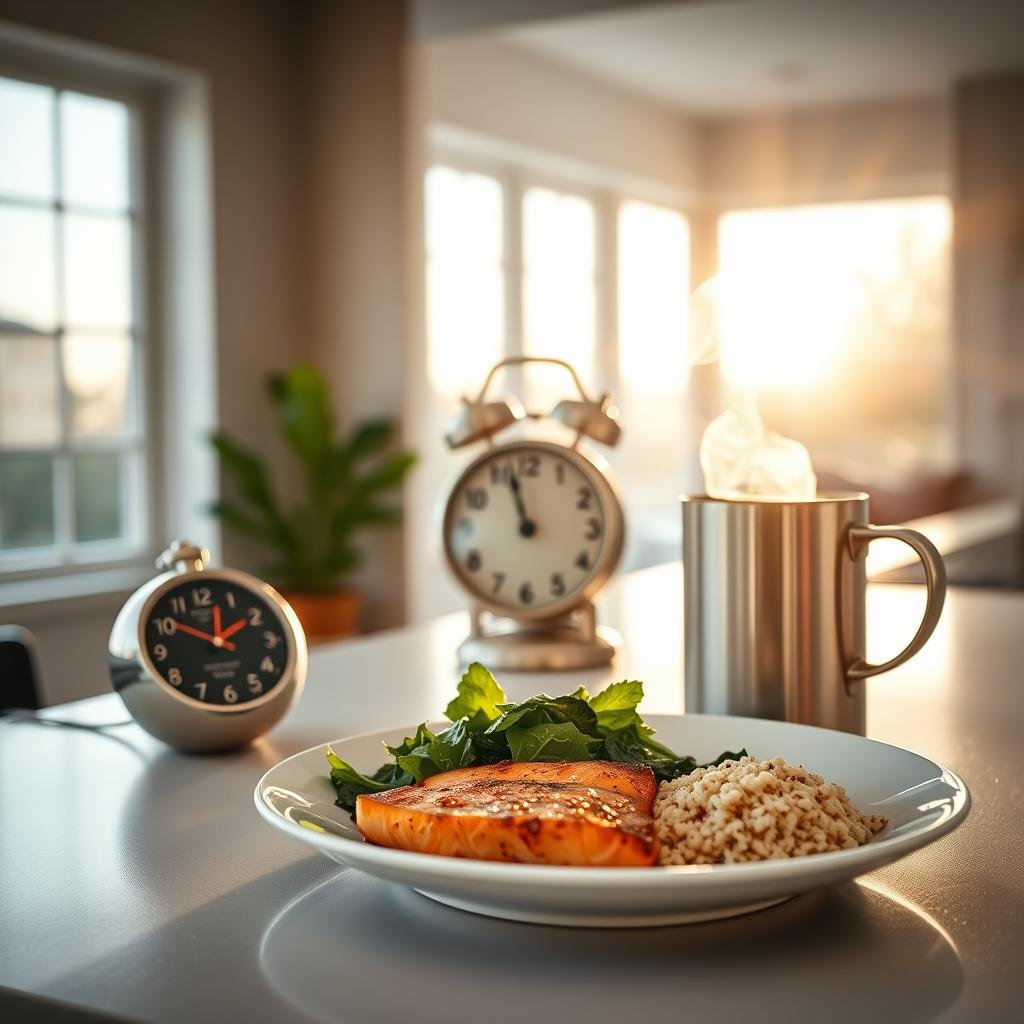
Avoid Caffeine Late in the Day
Did you know caffeine can linger in your system for up to 12 hours? Even a midday cup of coffee might interfere with your ability to wind down. The half-life of caffeine ranges from 4 to 6 hours, meaning it takes your body that long to process just half of it.
Set a caffeine curfew based on your unique metabolism. If you have the CYP1A2 gene variant, you might process caffeine slower than others. Swap your afternoon latte for herbal teas like chamomile or rooibos, which are naturally caffeine-free.
Finish Eating 2-3 Hours Before Bed
Your digestive system slows down at night, making late meals harder to process. High-carb dinners can reduce REM sleep by 35%, leaving you feeling less refreshed. Aim to finish eating at least 2-3 hours before you hit the pillow.
Try the Okinawan practice of hara hachi bu, which means eating until you’re 80% full. This approach not only supports digestion but also helps you avoid overeating, which can disrupt your rest.
Choose Sleep-Friendly Snacks
If you’re hungry before bed, opt for snacks that promote relaxation. Tryptophan-rich foods like turkey roll-ups or a small piece of magnesium-packed dark chocolate can help. Tart cherry juice is another great option—it’s naturally high in melatonin, the hormone that regulates your sleep-wake cycle.
For a quick and easy option, try a sleep smoothie with kiwi and almond milk. Kiwi is rich in serotonin, which your body converts into melatonin. Avoid aged or fermented foods, as they can trigger a histamine response and keep you awake.
Create a Sleep-Inducing Bedroom Environment
Your bedroom environment plays a crucial role in how well you recover each night. Small changes to your space can make a big difference in the quality of your rest. Let’s explore how to transform your room into a sanctuary for deep, restorative recovery.
Cool Down Your Room
Temperature is key to creating the perfect environment for rest. The National Sleep Foundation recommends keeping your room between 62-68°F for optimal sleep onset. A cool room helps your body’s natural temperature drop, signaling it’s time to wind down.
Consider investing in a ChiliPad cooling mattress system. This innovative tool allows you to control your bed’s temperature, ensuring you stay comfortable all night. Pair it with breathable bedding, like goose down, which has been shown to increase slow-wave sleep.
Remove Distractions
Your bedroom should be a haven free from distractions. Start by reducing electronic clutter. Digital clocks with LED displays can emit bright light, disrupting your natural rhythm. Opt for analog clocks or place your alarm out of direct sight.
For urban dwellers, pink noise machines can mask disruptive sounds, creating a peaceful environment. These devices emit soothing frequencies that help you drift off effortlessly. Additionally, consider EMF-reduction strategies, like turning off Wi-Fi at night, for sensitive sleepers.
Make Your Bed Inviting
Your bed should feel like a retreat. Start with a military-inspired bed-making ritual. This practice not only keeps your space tidy but also provides psychological closure, signaling the end of the day.
Incorporate Japanese shinrin-yoku (forest bathing) principles into your decor. Add greenery and natural elements to create a calming atmosphere. For a cozy touch, try Scandinavian hygge lighting principles—soft, warm lights that promote relaxation.
Finally, consider anti-allergen pillow encasements to reduce irritants. These simple additions can make your bed more inviting and improve your overall sleep quality.
Exercise Regularly, But Not Before Bed
Staying active is essential, but timing your workouts can make all the difference. Exercising too close to bedtime can overstimulate your body, making it harder to wind down. Aim to finish intense workouts at least 4 hours before you hit the pillow.
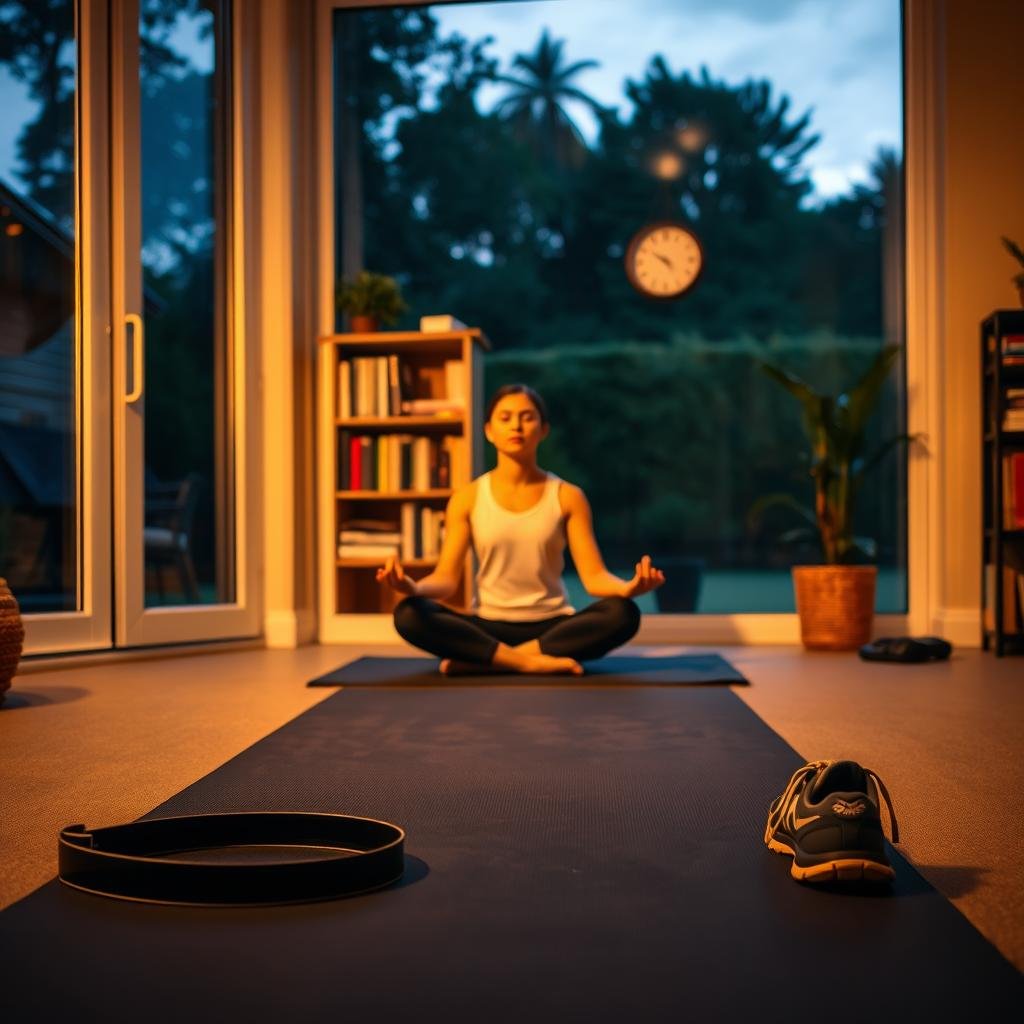
Find the Right Time to Work Out
Morning or afternoon workouts align best with your circadian rhythm. A study found that tai chi reduces sleep latency by 42%, making it a great option for older adults. If you’re short on time, try “movement snacks” like stretching or walking throughout the day.
Incorporate Relaxing Exercises
For evenings, focus on calming activities like yoga nidra or qigong’s “eight brocades” routine. These practices activate your parasympathetic nervous system, helping your body transition into rest mode. Pool-based resistance training is another gentle yet effective option.
- Circadian-aligned workout timing chart for optimal results.
- Isometric exercises for busy schedules.
- HIIT vs. LISS: Compare their impacts on recovery.
- Sleep-friendly fitness trackers like the Oura Ring.
By choosing the right time and type of exercise, you’ll enhance your recovery and wake up feeling refreshed. Start today and feel the difference!
Cut Back on Alcohol for Better Sleep
Did you know that even a single drink can disrupt your recovery process? While it might seem relaxing, alcohol can fragment your sleep architecture within just 3 hours. This means less deep rest and more tossing and turning.
Red wine, often praised for its antioxidants, loses its benefits when consumed in amounts over 5oz. Instead of aiding recovery, it can leave you feeling groggy the next day. Let’s explore how to enjoy your evenings without compromising your rest.
Limit Alcohol Consumption
Excessive alcohol disrupts your sleep cycle progression, reducing the time spent in restorative stages. Instead of a nightcap, try a “mocktail hour” with adaptogens like ashwagandha or reishi. These alternatives can help you unwind without the negative effects.
Here are some sleep-friendly substitutes to consider:
- Kava tea for relaxation
- Chamomile-infused sparkling water
- Magnesium-rich hot cocoa
Breathwork techniques, like the 4-7-8 method, can also reduce cravings and promote calmness. By making these small changes, you’ll wake up feeling refreshed and energized.
Time Your Drinks Wisely
Timing is everything when it comes to alcohol. Use a circadian phase calculator to determine the best time for your last drink. Aim to finish at least 3 hours before bed to minimize disruptions.
For mindful consumption, consider the Japanese sake ritual. This practice encourages savoring each sip, helping you stay present and aware of your limits. Avoid the “nightcap” myth—it’s not the solution for better rest.
By cutting back on alcohol and timing your drinks wisely, you’ll create a healthier evening routine. Start tonight and feel the difference in your recovery and energy levels.
Consider Sleep-Friendly Supplements
Discover how natural aids can transform your nightly recovery. The right supplements can support your body’s natural rhythms, helping you wake up refreshed and ready for the day. Let’s explore some science-backed options to enhance your routine.
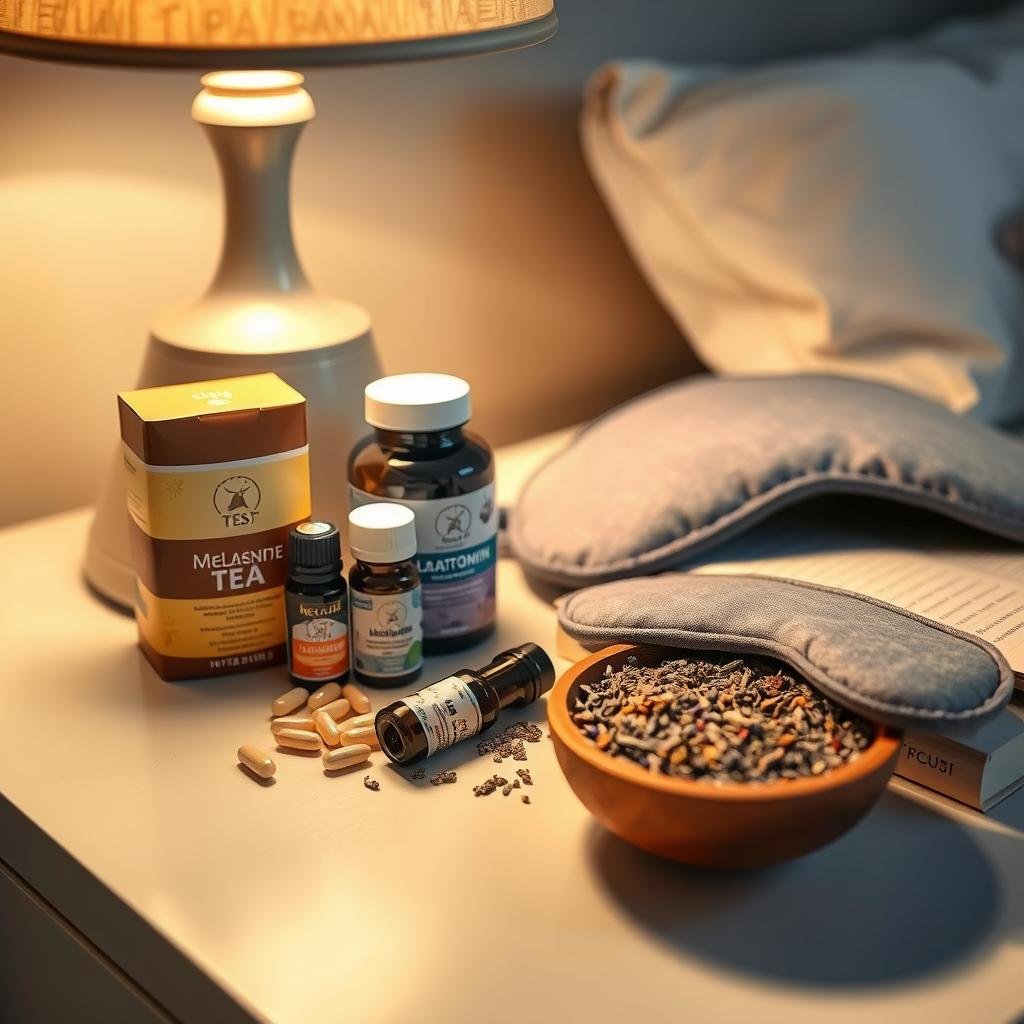
Melatonin and Its Benefits
Melatonin is a hormone your body naturally produces to regulate your sleep-wake cycle. Research from MIT shows that just 0.3mg can mimic natural secretion, making it a powerful tool for those struggling with irregular schedules. Sublingual forms absorb faster than oral tablets, offering quicker results.
Other Natural Sleep Aids
Glycine, an amino acid, has been shown to improve sleep quality by 66%. Magnesium bisglycinate is another excellent choice, promoting muscle relaxation and reducing stress. For a traditional approach, try Japanese cherry bark tea, known for its calming properties.
- Combine theanine and serine for a synergistic effect.
- Explore Ayurvedic herbs like ashwagandha and shankhpushpi.
- Time CBD oil administration for maximum effectiveness.
- Ensure third-party testing for supplement purity.
By incorporating these supplements into your routine, you can create a healthier, more restorative recovery process. Start small, track your progress, and feel the difference in your energy levels.
Rule Out Sleep Disorders
Are you struggling to feel rested despite spending enough time in bed? You might be dealing with an undiagnosed sleep disorder. Recognizing the signs early can make a world of difference in your quality of life.
Recognize the Signs of Sleep Apnea
Sleep apnea is one of the most common yet underdiagnosed conditions. Subtle signs like morning headaches, frequent trips to the bathroom at night (nocturia), or gasping for air can indicate a problem. Partners often notice these symptoms first, so ask them to observe your breathing patterns.
Upper Airway Resistance Syndrome (UARS) is another condition to watch for. It’s less severe than apnea but can still disrupt your sleep. Keeping a detailed sleep diary can help your doctor identify patterns and recommend the right tests.
Consult a Healthcare Professional
If you suspect a disorder, don’t wait to seek help. The WatchPAT home sleep test is FDA-approved and offers a convenient way to assess your condition. For more accuracy, an in-lab study might be necessary. Both options provide valuable insights into your sleep health.
Here are some steps to take:
- Discuss symptoms with your doctor, including TMJ issues that might affect breathing.
- Ask about Medicare or insurance coverage for sleep studies.
- Consider an ENT evaluation for nasal obstructions.
CPAP machines with heated humidifiers have transformed lives for many. One success story involves a user who went from feeling exhausted to fully energized after just a few weeks of treatment. Don’t let over-the-counter sleep aids mask the real issue—seek professional guidance today.
Transform Your Sleep, Transform Your Life
Small changes in your nightly routine can lead to big improvements in how you feel every day. Shawn Stevenson’s philosophy of three changes emphasizes that even minor adjustments can create a ripple effect in your life. Start with a 30-day challenge to track your progress and see the compound benefits of just 5% improvements.
Celebrities like Jeff Bezos and LeBron James swear by their consistent habits to stay energized and focused. You can adopt their strategies by gradually implementing habit stacking—adding one small change at a time. Pair this with a sleep-focused accountability partner to stay on track.
Imagine waking up with more energy and clarity. Keep a journal to document your before and after experiences. For a deeper reset, consider a digital detox retreat to disconnect and recharge. Tonight, take the first step toward transforming your life.
Ready to start? Download our free sunrise meditation track and begin your journey to better rest and vitality. The next years of your life can be your best yet—begin tonight.