
Ever walked into a space and immediately felt tension hanging in the air? That’s energy at work. It’s a tangible force shaping how we feel and interact with others. Whether it’s a crowded room or a quiet corner, energy influences our moods and behaviors.
Cesar Millan’s concept of “calm-assertive energy” shows how powerful this force can be. Just like dogs sense our vibes, people pick up on the energy around them. Modern living spaces amplify these exchanges, making it essential to manage the energy in our environments.
Natural settings often radiate pure, uplifting energy. Think about how a walk in the park clears your mind. Bringing that same balance into daily life can transform how you experience your surroundings.
You’re not just affected by energy—you shape it too. By understanding its impact, you can create spaces that inspire and uplift. Ready to take control? Let’s explore practical ways to manage energy in your life.
What Is the Emotional Energy of a Room?
Have you ever stepped into a place and instantly sensed its vibe? That invisible force shaping your feelings is what we call emotional energy. It’s like an environmental weather system, influencing everyone in the space.
Think of it as Wi-Fi signals—you can’t see them, but their effects are real. Albert Einstein’s idea that matter is condensed energy helps explain this phenomenon. Everything around us, from furniture to people, carries its own energy field.
Understanding the Unseen Force
In urban living, this energy becomes even more noticeable. Stacked apartments often lead to what’s called “energy promiscuity.” You might absorb your neighbor’s stress or anger without even realizing it. A study on Facebook even showed how digital interactions can transfer emotions across screens.
How Energy Shapes Our Moods and Interactions
At work, one stressed coworker can lower the entire team’s morale. On the flip side, spending time in nature-rich environments like forests can uplift your spirit. These interactions prove how deeply energy affects our daily lives.
By understanding this unseen force, you can start to take control of the energy in your surroundings. Ready to transform your space? Let’s dive deeper into how it all works.
How Emotional Energy Affects You
Ever noticed how a room’s vibe can instantly change your mood? That’s because emotions are contagious. Whether it’s a tense office or a cozy living room, the energy around you shapes how you feel and act.

The Science Behind Emotional Contagion
Your brain is wired to pick up on others’ emotions. Mirror neurons play a key role here. These brain cells fire when you see someone else’s actions or feelings, making you unconsciously mimic them. For example, if a coworker is stressed, you might start feeling the same way.
Research shows this effect in action. A hospital study found that stressed staff members negatively impacted patient outcomes. This proves how deeply emotions can spread, even in professional settings.
Why You Feel the Energy of Others
Think of emotional energy like tuning a musical instrument. You naturally adjust to the “frequency” of those around you. This process, called energy tuning, happens without you even realizing it.
Cultural differences also play a role. In Western cultures, emotions are often seen as personal (“MINE”). In Eastern cultures, they’re viewed as shared (“OURS”). For instance, Turkish people express pride more openly than the Dutch, as shown in Mesquita’s research.
Here are 5 signs you’re absorbing negativity from others:
- Feeling drained after social interactions
- Mood swings without a clear cause
- Difficulty focusing on tasks
- Increased irritability or anxiety
- Physical symptoms like headaches or fatigue
By understanding how emotional energy works, you can take steps to protect your well-being. Ready to create a more positive environment? Let’s explore how to shift the energy around you.
Creating a Space That Inspires and Motivates
What if you could transform the vibe of any room in just minutes? Your surroundings have a powerful impact on how you feel and act. By making small changes, you can create a space that uplifts and energizes you.
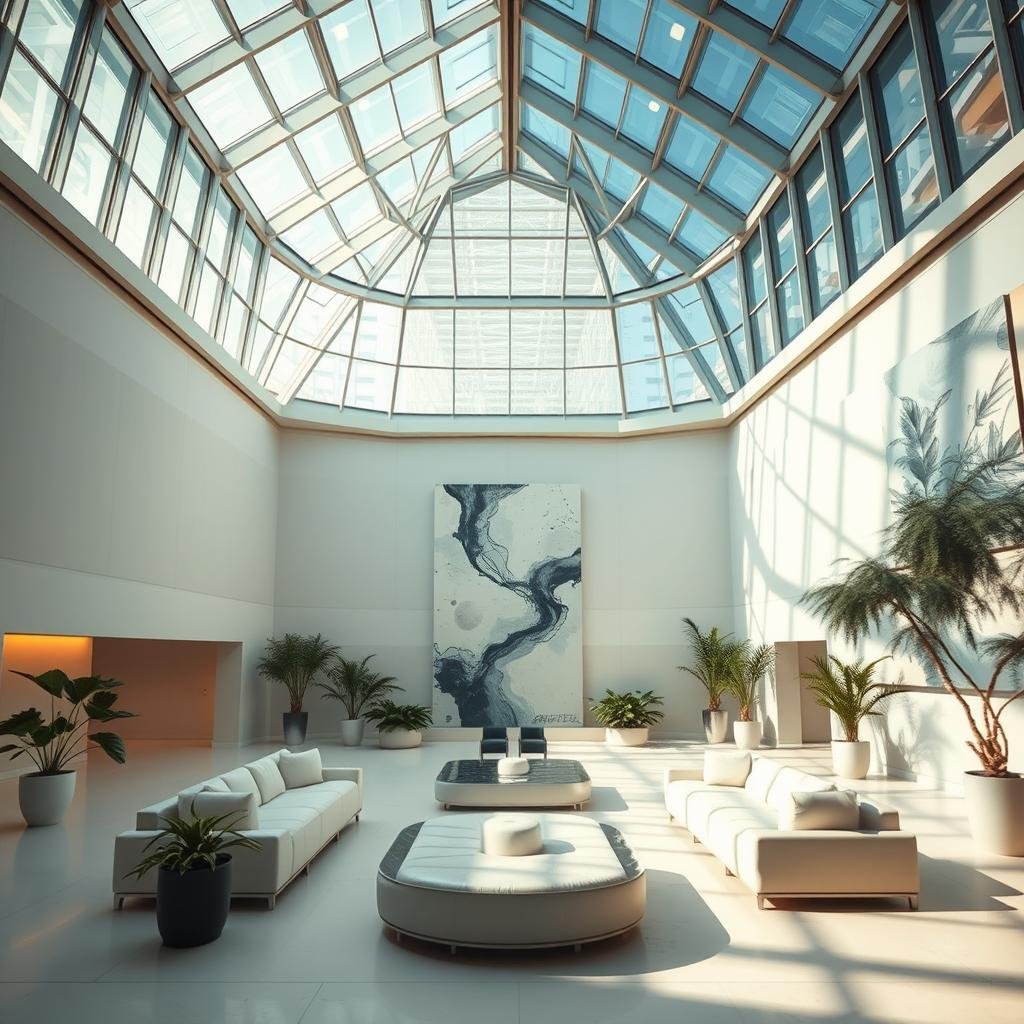
Simple Ways to Shift the Energy of a Room
Start with a quick reset. Open windows to let fresh air circulate. Clap in the corners to clear stagnant vibes. Play uplifting music to set a positive tone. These small steps can make a big difference.
Try a “sound bath” using Tibetan singing bowls. The vibrations cleanse the room and create a calming atmosphere. Add biophilic design elements like air-purifying plants and natural light. These things bring nature indoors, boosting your mood instantly.
Using Music, Nature, and Rituals to Cleanse Energy
Curate a Spotify playlist for different energy needs. Upbeat tunes can energize, while soft melodies calm. Practice the 4-7-8 breathing technique to shift your personal energy. This simple ritual helps you feel grounded and focused.
Introduce a “gratitude anchoring” ritual. Place meaningful objects around your home to remind you of positive moments. These ways of connecting with your space can transform how you experience it daily.
- Open windows and clap corners for a quick reset.
- Use Tibetan singing bowls for a calming sound bath.
- Add air-purifying plants and natural light.
- Practice the 4-7-8 breathing technique.
- Create a gratitude anchoring ritual with meaningful objects.
By incorporating these practices, you can create a space that inspires and motivates. Ready to transform your room? Start today and feel the difference.
The Power of Intentional Energy Management
Have you considered how your presence influences the atmosphere around you? Every interaction leaves an imprint, shaping the energy of the space. By being mindful, you can create environments that uplift and inspire.

How to Be Mindful of the Energy You Leave Behind
Start with energy accounting. This concept helps you track the emotional footprint you leave in different spaces. For example, a corporate case study showed reduced sick days after implementing energy audits. Simple changes can lead to big results.
Practice a 3-step entry/exit ritual: pause, breathe, and set an intention. This process helps you align your thoughts and create positive vibes. Whether at work or home, this ritual can transform how you experience any space.
Practical Tips for Cultivating Positive Spaces
Create an emotional first aid kit with essential oils and inspiring quotes. These tools can help you reset and recharge. Use color psychology to choose wall paints and lighting that promote calm and focus.
Here are 7 phrases to transform toxic energy exchanges:
- “Let’s find a solution together.”
- “I hear you and value your perspective.”
- “How can we make this better?”
- “Let’s focus on what we can control.”
- “I appreciate your effort.”
- “What’s one positive step we can take?”
- “Thank you for sharing your thoughts.”
By applying these ways, you can create spaces that nurture and inspire. Start today and see the difference in your world.
Designing Spaces That Nurture Emotional Well-Being
Imagine stepping into a space that instantly feels like a sanctuary. Designing environments that nurture your emotions starts with intentional planning. Divide your home into “energy zones”—areas for focus, relaxation, and connection. This approach creates balance and harmony.
Take inspiration from hobbit houses in Lord of the Rings. Their cozy, earthy designs appeal to the heart, fostering comfort and calm. Use “emotional architecture” metrics to guide your layout. For example, place calming elements like plants and soft lighting in relaxation zones.
Incorporate smart home tech like air quality sensors to monitor your environment. Add nature indoors with strategic plant placement—this is “energy gardening.” For small spaces, DIY room dividers and sound buffers can work wonders.
Looking ahead, AI-powered energy optimization can transform how we experience our surroundings. Start your energy audit today and take the first step toward creating a space that uplifts and inspires.