
Did you know small changes in your daily routine can have a big impact on the planet? From reducing waste to cutting energy use, every step counts. According to the EPA, households contribute to 20% of U.S. greenhouse gas emissions. That’s a staggering number, but it also means you have the power to make a difference.
Living sustainably isn’t just about helping the environment—it’s a win for your wallet and your health. Simple tweaks, like using energy-efficient appliances or composting, can save you money while reducing your carbon footprint. Plus, these habits often lead to a cleaner, healthier living space.
Imagine transforming your space into a green sanctuary that supports both your well-being and the future of our planet. Ready to get started? Let’s dive into 10 actionable ways you can make a positive change today.
Why Eco-Friendly Home Hacks Matter
Every choice you make at home shapes the future of our planet. Small actions, like using a reusable bag or fixing a leaky faucet, can create a big impact. These changes not only protect the environment but also improve your health and save you money.
Did you know food waste contributes to 8% of global greenhouse emissions? Or that 10% of U.S. homes waste over 90 gallons of water daily due to leaks? These statistics show how your daily habits affect the world around you.
Here’s how you can make a difference:
- Switching to reusable bags can save 156 plastic bottles yearly.
- Composting could cut 2.1 gigatons of emissions by 2050.
- Unplugging electronics reduces “vampire energy,” which powers 3 million homes annually.
Your kitchen choices even affect rainforests. Every 60 seconds, a forest the size of 20 football fields disappears. By living sustainably, you’re not just helping the planet—you’re securing a healthier future for everyone.
Reduce Water Usage with Simple Adjustments
Saving water doesn’t have to be complicated—small changes can lead to big results. Did you know 30% of household water use goes to outdoor needs? By making a few adjustments, you can cut down on waste and save money while helping the planet.

Shorter Showers and Fixing Leaks
Start with shorter showers. A 10-minute shower uses about 18 gallons of water. Try the 5-minute challenge—play your favorite song and finish before it ends. It’s a fun way to save time and resources.
Next, check for leaks. A leaky faucet can waste gallons daily. Use toilet dye tablets to detect hidden leaks. Fixing them can save you over $150 a year on your water bill.
Using Rain Barrels for Outdoor Water Needs
Rain barrels are a game-changer for outdoor water use. One barrel can collect up to 600 gallons annually, saving you $35. Use this “liquid gold” for your plants and garden.
Install a DIY faucet aerator to reduce consumption. It’s an easy upgrade that pays off quickly. For low-water gardens, consider drought-resistant native plants. They thrive with minimal care.
By adopting these tips, you’ll make a difference for the planet and your wallet. Every drop counts—start today!
Cut Down on Energy Consumption
Cutting energy use doesn’t require a complete lifestyle overhaul—start small. Simple changes can reduce your consumption, lower your bills, and lessen your impact on the planet. According to the DOE, households waste $100 annually on “vampire energy” from idle electronics. Let’s tackle this together!

Switch to LED Bulbs
One of the easiest ways to save energy is by switching to LED bulbs. They use 75% less energy and last 25 times longer than traditional bulbs. A $5 LED bulb can save you $75+ over 10 years—now that’s a smart investment!
Here’s how to get started:
- Choose warm white (2700K-3000K) for cozy lighting.
- Replace high-use bulbs first, like kitchen and living room lights.
- Look for ENERGY STAR-certified products for maximum efficiency.
Unplug Electronics When Not in Use
Did you know your TV, modem, and game console still draw power in standby mode? These “phantom loads” add up over time. Unplugging items when not in use can save you money and reduce unnecessary emissions.
Try these tips:
- Use smart power strips for entertainment centers.
- Set up a phone charging station with automatic shutoff.
- Replace furnace filters regularly to boost efficiency.
By making these changes, you’ll see a difference in your bills and your impact on the planet. Start today and feel good about your energy choices!
Composting: Turn Waste into Resource
Transforming your waste into a valuable resource is easier than you think. Composting reduces waste and enriches soil, making it a win for your garden and the environment. According to the USDA, 30% of household waste is compostable. Start today and see the difference!
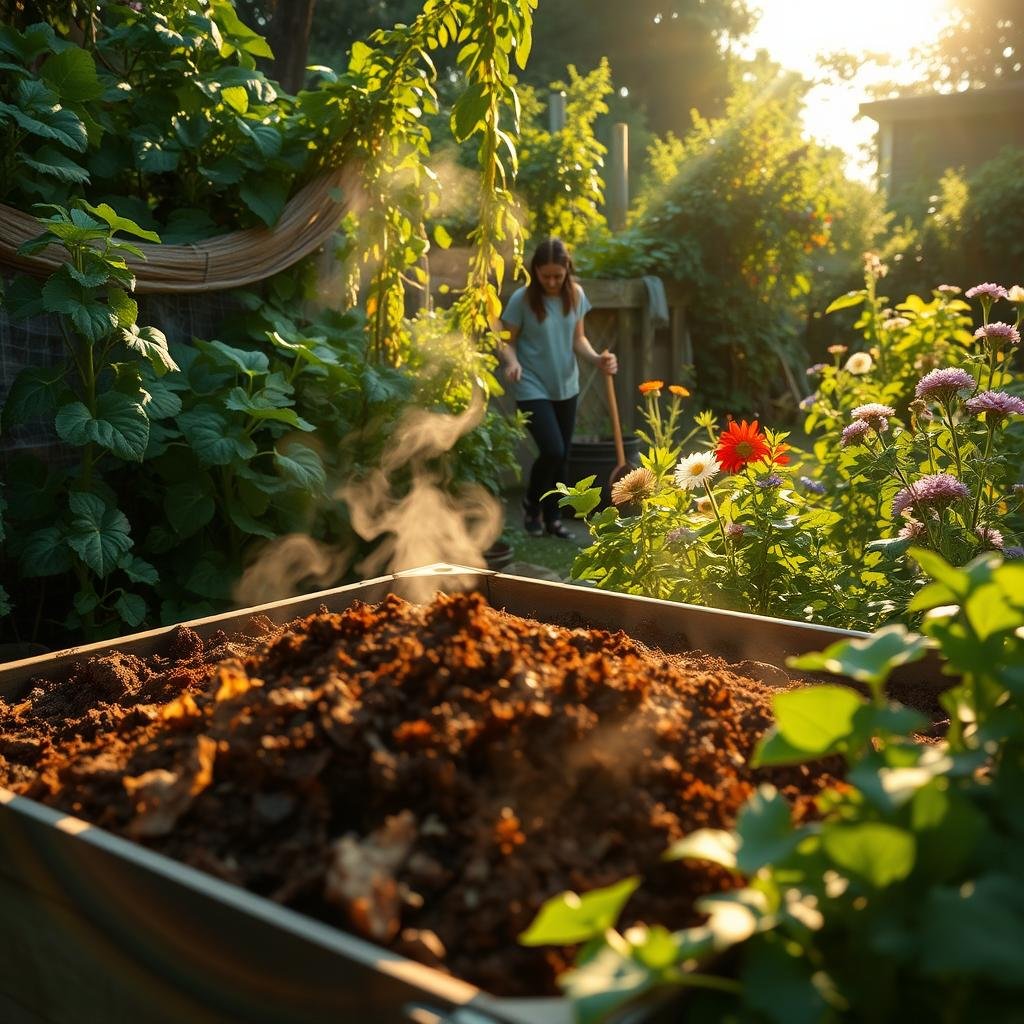
Setting Up a Home Compost Bin
Choosing the right materials for your compost bin is key. Here are three popular options:
- Tumbler: Great for quick composting and easy turning.
- Worm Bin: Perfect for small spaces and urban balconies.
- Bokashi: An efficient way to compost food scraps indoors.
Place your bin in a shaded area and layer green (food scraps) and brown (leaves, paper) items. Keep it moist but not soggy for the best results.
What to Compost and What to Avoid
Your kitchen scraps can become a nutrient-rich resource for your plants. Compost coffee grounds, eggshells, and vegetable peels. Avoid food like meat and dairy to prevent pests.
Here’s a quick cheat sheet:
- Compost: Dryer lint, hair, nail clippings, and tea bags.
- Avoid: Greasy foods, pet waste, and diseased plants.
By composting, you’re not just reducing waste—you’re supporting a healthier future for the planet. Start small and feel good about your impact!
Reusable Products: A Sustainable Swap
Making sustainable swaps is easier than you think—and it pays off. By choosing reusable items, you can reduce waste, save money, and make a difference for the planet. From bags to bottles, these simple changes add up over time.

Reusable Bags, Bottles, and Utensils
Start with reusable bags. Did you know 500 million plastic straws are used daily? Swap them for stainless steel or silicone alternatives. Reusable bottles can save 156 plastic bottles per person yearly. It’s a small change with a big impact.
Here’s how to make the switch:
- Choose glass or stainless steel containers for food storage.
- Carry a zero-waste kit with utensils, a straw, and a cloth napkin.
- Opt for stylish brands like Baggu or Stasher for reusable bags.
Cloth Towels Instead of Paper Towels
Paper towels contribute to 13 billion pounds of waste yearly. Switch to cloth towels for a sustainable solution. They’re reusable, cost-effective, and stylish. Learn napkin folding to create fancy displays for your table.
Here’s why cloth towels are a win:
- Save $200+ annually by skipping paper towels.
- Try DIY “unpaper towels” with a simple sewing tutorial.
- Partner with local stores for refill stations to reduce waste.
By adopting these swaps, you’ll reduce waste and support a healthier planet. Start today and feel good about your choices!
Green Your Cleaning Routine
Cleaning your space doesn’t have to harm the planet—it can actually help it. By switching to green cleaning methods, you reduce waste, protect your health, and support a healthier environment. Plus, it’s easier than you think!
DIY Cleaning Solutions
You don’t need harsh chemicals to keep your home spotless. Simple materials like vinegar and baking soda can clean 90% of surfaces. Here’s an all-purpose cleaner recipe:
- 1 cup water
- 1 cup white vinegar
- 10 drops of essential oil (like lemon or lavender)
Mix these items in a spray bottle, and you’re ready to go. For mattresses, sprinkle baking soda, let it sit, and vacuum. Sunlight helps freshen them naturally.
Eco-Friendly Cleaning Products
If DIY isn’t your style, choose certified products like ECOS or Seventh Generation. These brands meet strict sustainability standards. Look for EWG-verified options like Branch Basics for a safer way to clean.
Microfiber cloths are another great use of resources. They capture 99% of bacteria without chemicals. For carpets, try dried lavender sachets for a natural refresh.
By making these changes, you’ll reduce your impact on the planet and improve your health. Start today and feel good about your cleaning choices!
Sustainable Gardening Practices
Your garden can be a powerful tool for supporting the planet. By adopting sustainable practices, you can create a thriving outdoor space that benefits both the environment and your health. From planting native species to repurposing kitchen waste, every step counts.
Planting Native Species
Native plants are a game-changer for your garden. They require 50% less water than non-native species, making them a smart choice for sustainability. Plus, they support local wildlife and pollinators, creating a healthier environment.
Here’s how to get started:
- Map your USDA plant hardiness zone for native suggestions.
- Choose pollinator-friendly perennials like coneflowers or milkweed.
- Partner with local nurseries for discounts on native plants.
Using Coffee Grounds as Fertilizer
Don’t toss those coffee grounds—they’re a treasure for your garden. Coffee grounds add nitrogen to the soil, improving plant growth. They also deter pests like slugs, keeping your garden healthy.
Try these tips:
- Collect free coffee grounds from Starbucks or local cafes.
- Mix grounds into compost or sprinkle them around plants.
- Combine with eggshells for a calcium-rich fertilizer.
By embracing these practices, you’ll create a garden that’s not only beautiful but also kind to the planet. Start small and watch your outdoor space flourish!
Eco-Friendly Shopping Habits
Your shopping choices can shape a healthier planet and a brighter future. From the food you buy to the items you bring home, every decision matters. Small changes in your shopping routine can reduce waste, save money, and support sustainability.
Buying in Bulk and Secondhand
Buying in bulk is a smart way to cut down on plastic packaging. Bulk stores reduce packaging by 85%, making them a great choice for eco-conscious shoppers. Bring your own containers to stores like Whole Foods for a zero-waste experience.
Secondhand shopping is another powerful way to reduce your impact. Fast fashion contributes to 2.1 billion tons of emissions yearly. Instead, explore thrift stores or online platforms for unique finds. Buying used furniture can save you 75% compared to new purchases.
Choosing Local and Organic Produce
Local food travels an average of 50 miles, compared to 1,500 miles for non-local options. This reduces emissions and supports local farmers. Visit farmers markets or join a CSA (Community Supported Agriculture) for fresh, seasonal produce.
Opt for organic products when possible. Look for USDA-certified labels to ensure your choices meet strict standards. Organic farming practices protect soil health and reduce harmful chemicals in the environment.
Ready to make a difference? Start with these simple changes and feel good about your shopping habits. Every choice counts toward a healthier planet and a brighter future.
Start Your Eco-Friendly Journey Today
Your journey toward a greener lifestyle starts with small, meaningful steps. From reducing water waste to composting, every action makes a difference for the planet. Begin with easy changes like switching to LED bulbs or using reusable bags. These simple ways can improve your health and save you money over time.
Ready to take it further? Try a 30-day challenge. Start with shorter showers, then add composting or energy-saving habits. Apps like Olio and Too Good To Go can help you reduce food waste and connect with your community. Team up with a friend to stay motivated—together, you can make a bigger impact.
Your efforts today shape a better future for the world. Celebrate milestones with a printable progress tracker. Join the #MyEcoHackJourney campaign and share your success. Remember, your home is the first ecosystem to save—start now and inspire others to follow!