Introduction
Have you ever reached the end of the day feeling busy but wondering where all your time went? A well-planned daily to-do list can help you stay organized, reduce stress, and focus on what matters most. Instead of feeling overwhelmed by endless tasks, you can create a clear plan that keeps you productive without burning out.
Building an effective daily to-do list is about more than simply writing down everything you need to do. It’s about setting priorities, breaking large projects into manageable steps, and creating realistic goals that fit your lifestyle. With the right approach, your to-do list becomes a practical tool that helps you work smarter, improve your daily routine, and maintain healthy productivity habits.
In this guide, you’ll discover simple yet effective strategies for creating a daily to-do list that actually works. From prioritizing important tasks to using time-saving techniques like the 5-minute rule, these tips can help you stay focused, build momentum, and accomplish more with less stress.
Key Takeaways
- A well-organized daily to-do list improves focus and productivity.
- Breaking large tasks into smaller steps makes them easier to complete.
- The 5-minute rule helps overcome procrastination and build momentum.
- Prioritizing important tasks reduces stress and prevents overwhelm.
- Consistent daily planning leads to healthier, more productive habits.
Why Creating a Daily To-Do List Boosts Productivity
A daily to-do list is more than a reminder of what needs to be done. It provides structure, helps you stay focused, and reduces the mental effort of trying to remember every task throughout the day. By writing your priorities down, you free up mental space to concentrate on completing your work instead of constantly thinking about what comes next.
One of the biggest productivity challenges is feeling overwhelmed by too many responsibilities. A well-organized daily to-do list helps you break large projects into smaller, more manageable tasks. Completing each step creates a sense of progress, which can increase motivation and make even challenging projects feel achievable.
Working from a prioritized list also reduces distractions. Instead of constantly switching between unrelated tasks, you can focus on one activity at a time. This approach helps improve concentration, minimizes unnecessary interruptions, and often leads to higher-quality work.
Whether you prefer a notebook, planner, or digital app, the best daily to-do list is the one you’ll use consistently. Developing the habit of planning your day helps create a routine that supports productivity, reduces stress, and makes it easier to achieve your personal and professional goals.
Tips for a More Productive Daily To-Do List
- Write down your most important tasks before less urgent ones.
- Break large projects into smaller, actionable steps.
- Focus on completing one task at a time instead of multitasking.
- Review and update your list throughout the day.
- Celebrate your progress, even when you complete small tasks.
How to Start Your Daily To-Do List: The Basics
Creating an effective daily to-do list doesn’t mean filling your day with as many tasks as possible. Instead, the goal is to create a realistic plan that helps you stay focused and make steady progress without feeling overwhelmed.

Choose a Realistic Number of Tasks
One of the biggest mistakes people make is trying to accomplish too much in a single day. A shorter, well-prioritized list is often far more effective than a long list that never gets finished.
A simple guideline is to focus on:
- 3 important tasks that require your full attention, or
- 5 smaller tasks that can realistically be completed throughout the day.
Completing your priorities builds momentum, boosts confidence, and encourages consistency.
Break Large Projects into Actionable Steps
Large goals can feel intimidating when they’re written as a single task. Instead, divide them into smaller, specific actions that are easier to complete.
| Vague Task | Actionable Task |
|---|---|
| Clean the house | Vacuum the living room and wipe the kitchen counters |
| Work on my project | Email the client, outline Chapter 2, and review notes |
| Exercise | Walk for 30 minutes after lunch |
| Organize finances | Review monthly expenses and pay two outstanding bills |
Breaking larger projects into manageable steps makes progress easier to see and helps reduce procrastination.
Use the SMART Approach
When planning your daily tasks, make sure they are:
- Specific – Clearly define what needs to be done.
- Measurable – Make it easy to track your progress.
- Achievable – Set realistic goals for the time available.
- Relevant – Focus on tasks that support your priorities.
- Time-bound – Give yourself a deadline whenever possible.
Whether you prefer a paper planner or a digital task management app, reviewing your daily to-do list each morning and updating it throughout the day will help you stay organized, focused, and productive.
Prioritizing Tasks for Maximum Efficiency
A well-organized daily to-do list isn’t just about writing down everything you need to accomplish—it’s about identifying what matters most. Prioritizing your tasks helps you stay focused, reduces decision fatigue, and ensures your time is spent on activities that move you closer to your goals.
Instead of treating every task as equally important, organize your list based on urgency and impact. This simple habit can make your day feel more manageable and far less overwhelming.
Use the 5-Minute Rule for Small Tasks
If a task can be completed in five minutes or less, consider doing it right away. Small tasks such as replying to an email, scheduling an appointment, or filing a document take very little time but can quickly build up if left unfinished.
Completing these quick wins early in the day helps clear mental clutter and creates a sense of accomplishment that can motivate you to tackle larger tasks.
Organize Tasks by Priority
A simple priority system can help you decide what deserves your attention first.
| Priority | Description | Example |
|---|---|---|
| High Priority | Important tasks that should be completed today. | Submit an important work project or attend a scheduled appointment. |
| Medium Priority | Tasks that are important but can be completed after your highest priorities. | Draft a report, plan meals for the week, or organize your workspace. |
| Low Priority | Tasks that can wait if time allows. | Sort old files, reorganize a drawer, or browse ideas for a future project. |
Match Your Tasks to Your Energy Levels
Everyone has times of the day when they naturally feel more focused and energized. If you’re most productive in the morning, schedule your most challenging or important tasks during those hours. Save routine or less demanding activities for later in the day when your energy begins to decline.
By combining clear priorities with realistic planning, your daily to-do list becomes a practical guide that helps you stay productive without feeling overwhelmed.
Selecting the Best Format for Your Daily To-Do List
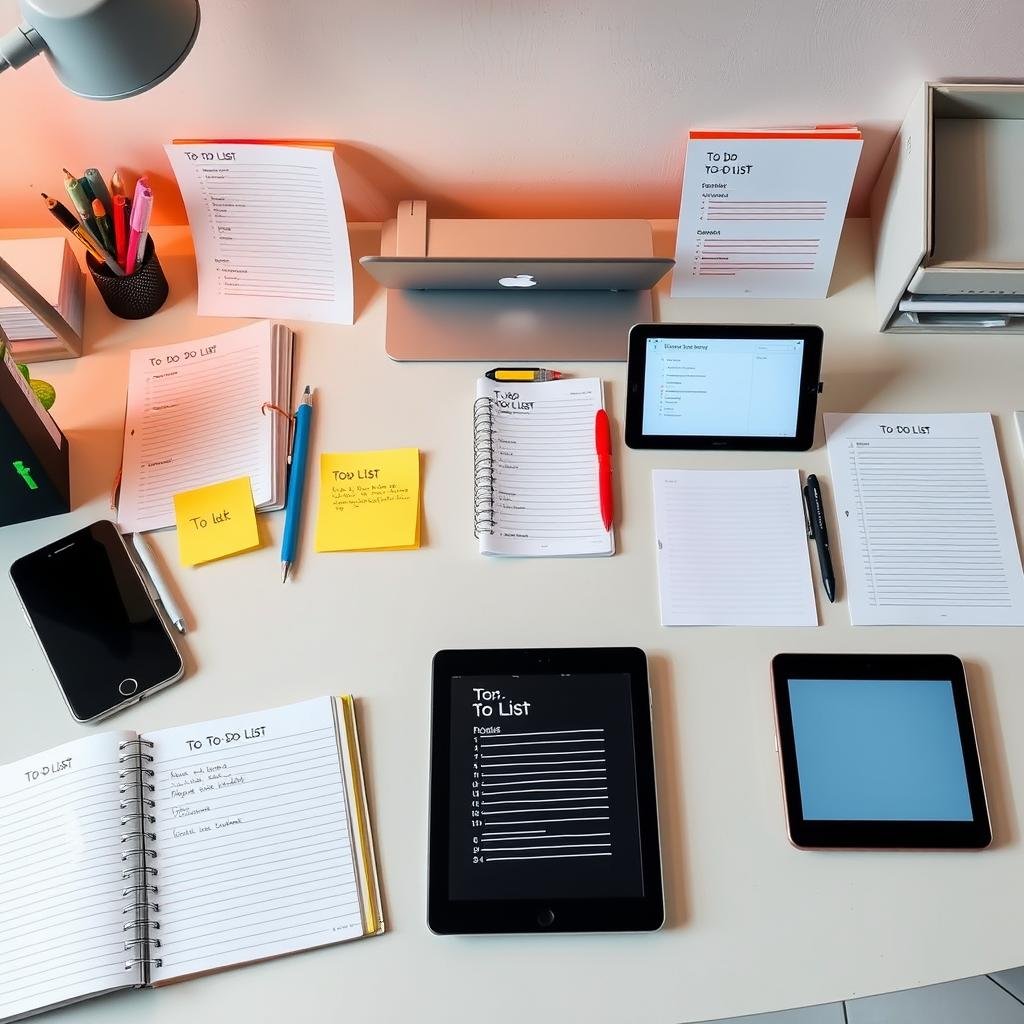
The best daily to-do list is the one you’ll use consistently. Whether you prefer writing tasks in a notebook or using a digital app, choosing a format that fits your lifestyle can make it easier to stay organized and productive.
There isn’t a single “perfect” system. Some people enjoy the simplicity of pen and paper, while others appreciate the convenience of digital tools. The key is to choose a method that helps you stay focused and encourages you to review your list every day.
Paper vs. Digital To-Do Lists
Both paper and digital formats have their advantages.
| Paper To-Do List | Digital To-Do List |
|---|---|
| Simple and distraction-free | Accessible across multiple devices |
| Encourages mindful planning | Offers reminders and recurring tasks |
| Satisfying to check off completed tasks | Easy to edit and reorganize |
| Doesn’t require batteries or internet access | Ideal for collaboration and shared projects |
If you enjoy writing by hand and want fewer distractions, a paper planner or notebook may be the best choice. If you manage a busy schedule or work across multiple devices, a digital app can help you stay organized wherever you are.
Find the System That Fits Your Lifestyle
Many people discover that a combination of both methods works well. For example, you might use a paper notebook for daily planning and a digital calendar for appointments and reminders.
Whichever format you choose, remember that consistency is far more important than the tool itself. Reviewing your daily to-do list each morning and updating it throughout the day will help you stay focused, reduce stress, and make steady progress toward your goals.
Building Long-Term Habits for Consistent Use
Creating an effective daily to-do list is only the first step. The real benefits come from using it consistently. When planning your day becomes part of your routine, you’ll spend less time deciding what to do next and more time making meaningful progress toward your goals.
Remember that building a new habit takes time. Focus on consistency rather than perfection, and allow your planning system to grow naturally with your lifestyle.
Make Task Planning Part of Your Daily Routine
One of the easiest ways to stay consistent is to plan your day at the same time each day. Many people find it helpful to review tomorrow’s priorities in the evening or organize their tasks first thing in the morning.
You can also connect your planning habit to an activity you already do every day, such as:
- Enjoying your morning coffee or tea
- Finishing breakfast
- Taking a lunch break
- Ending your workday
- Preparing for bed
Linking your daily to-do list to an existing routine makes it much easier to turn planning into a lasting habit.
Review and Adjust Your System Regularly
Your priorities will naturally change over time, so your planning system should be flexible enough to change with them.
Every few weeks, take a few minutes to ask yourself:
- Which tasks do I complete consistently?
- Which tasks keep getting postponed?
- Is my current system helping me stay organized?
- Do I need to simplify my daily routine?
Regular reviews help you identify what’s working and what could be improved.
Focus on What Matters Most
One useful way to prioritize your daily tasks is to separate them by importance and urgency.
| Priority | Action | Example |
|---|---|---|
| Urgent and Important | Complete as soon as possible | Meet an important deadline or attend a scheduled appointment |
| Important but Not Urgent | Schedule time for it | Exercise, meal planning, or learning a new skill |
| Urgent but Less Important | Delegate if possible | Routine administrative tasks |
| Neither Urgent nor Important | Eliminate or postpone | Unnecessary distractions or low-value activities |
A flexible planning system allows you to adapt as your responsibilities change. By reviewing your daily to-do list regularly and adjusting your priorities when needed, you’ll build a routine that supports both productivity and long-term wellbeing.